
Fabian Hurzeler's selective reading of Brighton's defeat to Liverpool
After a 2-0 loss at Anfield, Brighton's head coach insisted only one team tried to win – but the shot count and xG tell a different story.
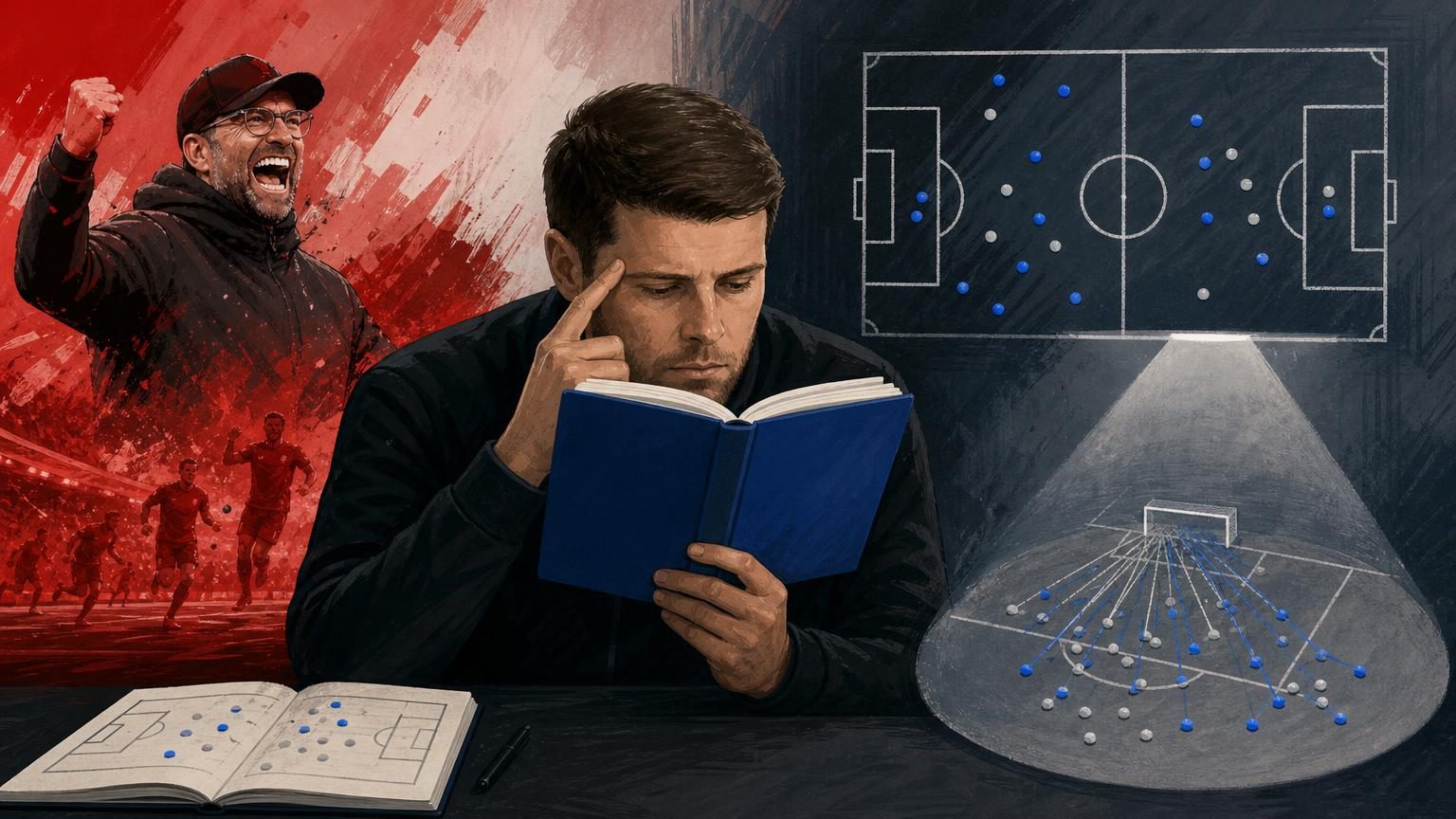
Fabian Hurzeler lost 2-0 at Anfield on Sunday and, by his own account afterwards, somehow still came out of it the more sinned against party.
"We know that we are competing with the best teams in the league," the Brighton head coach said in his post-match press conference, as reported by Planet Football. "But we also want to compete with them, and we have to believe we can compete with them."
He went further. "If we only look at the performance today, then I think everyone in the stadium saw that there was one team who really tried to create and tried to win this game."
It was Brighton's first game without a goal in the Premier League this season, and the defeat came despite the Seagulls generating genuine openings: Yasin Ayari skied a chance when the score was still level, then struck the post once Liverpool had gone 2-0 up.
The numbers Hurzeler left out
Liverpool had 13 shots to Brighton's tally, and four times as many of those found the target, according to Planet Football's reporting. That is a wide gap in shot volume and shot quality on the night, and it sits awkwardly alongside the suggestion that only one side was trying to win.
Cody Gakpo alone had six attempts, repeatedly breaking beyond Brighton's defensive line in transition and causing particular trouble down the flank occupied by Luka Vuskovic.
Where Hurzeler's framing holds up better is on expected goals, the metric that estimates the likelihood of a shot being scored based on its location and circumstances. Liverpool's expected goals figure was 1.20 against Brighton's 1.32, according to the same report, meaning the visitors arguably created the better quality chances across the ninety minutes.
That detail complicates a simple story. Brighton were not run off the pitch in terms of chance quality, and a goalmouth scramble in which both Ronald Araujo and Jeremy Jacquet got in each other's way suggests a slice of misfortune on top of Liverpool's superior shot volume. But an even or favourable xG picture is not the same claim as "there was one team who really tried," and conflating the two misrepresents what actually happened at Anfield.
A pattern established against Arsenal
This was not an isolated piece of post-match spin. Hurzeler used almost identical language after a 1-0 defeat to Arsenal in March, saying then that "there was only one team that tried to play football today," as Planet Football noted. The repetition suggests a deliberate rhetorical habit rather than a one-off reaction to a frustrating afternoon.
Jurgen Klopp and Rodri were previously identified with a similar tendency to reframe losses in terms that absolved their own team of responsibility for the result. Hurzeler's comments at Anfield put him in that same bracket: a manager whose instinct after defeat is to relocate the blame in the officiating, the fortune, or the opponent's approach, rather than to sit inside an honest account of the 90 minutes.
Why the rhetoric matters more than the result
None of this means Hurzeler is wrong to manage his message this way. His job is to run Brighton, not to deliver neutral post-match analysis, and a head coach who frames every setback as an injustice against a plucky underdog is doing something useful for dressing-room morale and public perception alike.
Brighton's identity under Hurzeler has long been built on competing with sides who spend more and recruit higher-profile talent, and a narrative in which Brighton are always the team that tried harder feeds that self-image even when the underlying shot and chance data only partially support it.
The gap between what the numbers show and what Hurzeler chose to emphasise is the real story here. Brighton did create enough to have taken something from Anfield, and the expected goals figure backs that up. But describing a game in which Liverpool had four times as many shots on target as a contest decided by "one team who really tried" stretches the evidence past what it will bear.
Brighton return to Premier League action still searching for their next league goal after a run in which they had scored in every match until Anfield. How Hurzeler frames that result will matter less to his club's position in the table than whether his side can start converting the quality chances the xG numbers suggest they are already generating.