
Pioli credits Juventus's mentality and Spalletti's changes in win over Napoli
Stefano Pioli, speaking as a Sky Sport Italia pundit, broke down how Juventus's second-half adjustments and collective will overturned Napoli and eased the pressure on Luciano Spalletti.
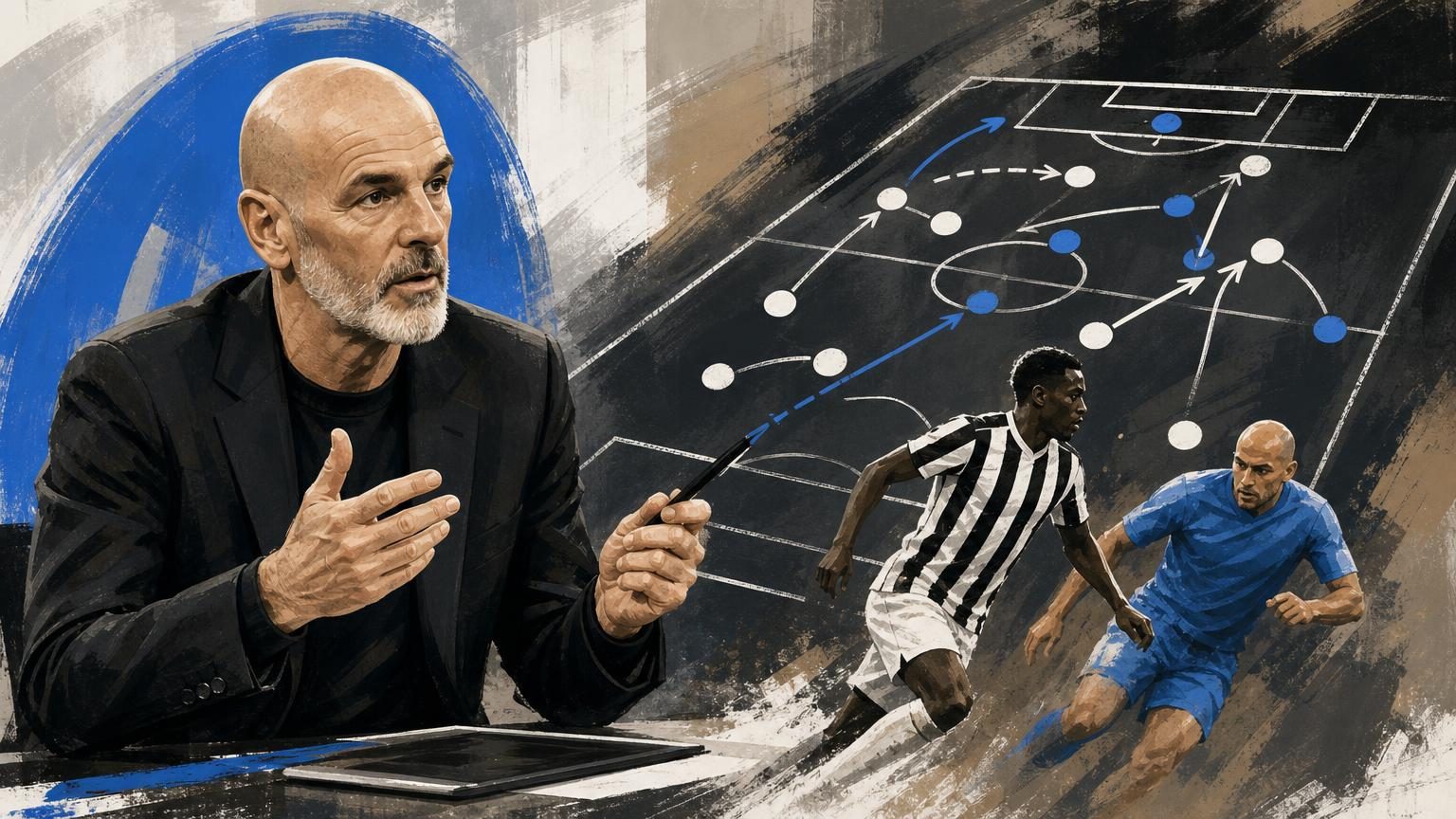
Juventus beat Napoli 2-0 at the Allianz Stadium on Sunday, goals from Kerim Alajbegovic and Jeremie Boga lifting the hosts out of the slump that followed a 2-0 defeat away to Genoa in midweek, Football Italia reported.
The result moves Juventus up to seventh in Serie A with 17 points from ten matches. Napoli, managed by Massimiliano Allegri, sit eighth on 14 points, one place and three points behind.
Stefano Pioli, working as a guest analyst in the Sky Sport Italia studio, gave his reading of the game once the final whistle had gone. His comments were relayed via TMW, as reported by Football Italia.
Why Spalletti's changes mattered more than the shape
Juventus started the match in a 3-5-2, with Randal Kolo Muani and Nick Woltemade paired up front, a setup forced partly by injuries to other attacking options. Spalletti then introduced Jeremie Boga and Edon Zhegrova after the break, shifting the balance toward width rather than a second central striker.
Pioli was asked directly whether the choice between wingers and a front two changes the way Juventus play, and he said it does. "I think so, but Juventus have a lot of wingers. The pairing of Woltemade and Kolo Muani makes sense, but Spalletti made good changes and interpreted the game well. The Bianconeri had a lot of shots from outside the box and they were rewarded for that tonight."
That last point is worth isolating. A high volume of shots from outside the box is not usually read as a sign of control — teams that generate most of their attempts from distance are often struggling to break down a defence through central combinations or the half-spaces. Pioli's framing suggests Juventus found that route productive on the night rather than treating it as a fallback, which is partly why he singled out the substitutions as decisive rather than incidental.
The broader point is about squad flexibility. Having both a recognised front two and genuine wide forwards available lets a coach change the picture an opponent sees mid-match, rather than making like-for-like swaps. Pioli's answer credits Spalletti specifically with reading the state of the game and adjusting the attacking structure accordingly, rather than sticking rigidly to the plan that started the match.
The case for patience with Kolo Muani
Kolo Muani's own evening drew a separate, more individual assessment from Pioli. Asked about the forward's form, he said: "As long as he shows a willing attitude, Kolo Muani is working hard from what I can see, he's just missing that decisive moment. You have to help him on a psychological level, being there for him and giving him confidence or putting him in different areas on the pitch: In short, basically what Spalletti is trying to do."
That assessment separates effort from output. Pioli is not describing a player short on application, but one who has not yet converted work rate into the finishing moments that define a striker's season. His reference to repositioning Kolo Muani across different areas of the pitch points to a management approach built around rotation of role rather than a fixed central striker brief — an attempt to find zones where his movement causes more problems.
The psychological dimension Pioli raises is harder to quantify than a shot map or a pass network, but it fits the pattern of a team trying to manage a forward through a lean run rather than drop him. Spalletti's willingness to keep pairing Kolo Muani with Woltemade, while also having wide alternatives ready off the bench, reflects a squad still searching for its most reliable attacking combination.
What it means for the table
For Juventus, the win answers an immediate question after the Genoa defeat: whether the squad could respond under pressure. Pioli's comment that the victory will give the Bianconeri "a bit more trust" points to a confidence rather than a tactical shift, though the structural flexibility between the back three and the front two gives Spalletti more than one way to set up future matches.
Napoli, by contrast, remain just below Juventus in the table after this defeat, with Allegri's side needing to find a response of their own in the coming rounds. The gap between the two clubs is three points with ten games gone, close enough that either side's next results could shift the order again.