
Spalletti and Pisacane sent off after Cagliari standoff over time-wasting
Juventus and Cagliari's coaches were both dismissed after a heated touchline exchange following their 1-1 draw, with Spalletti accusing Cagliari of wasting time late in the game.
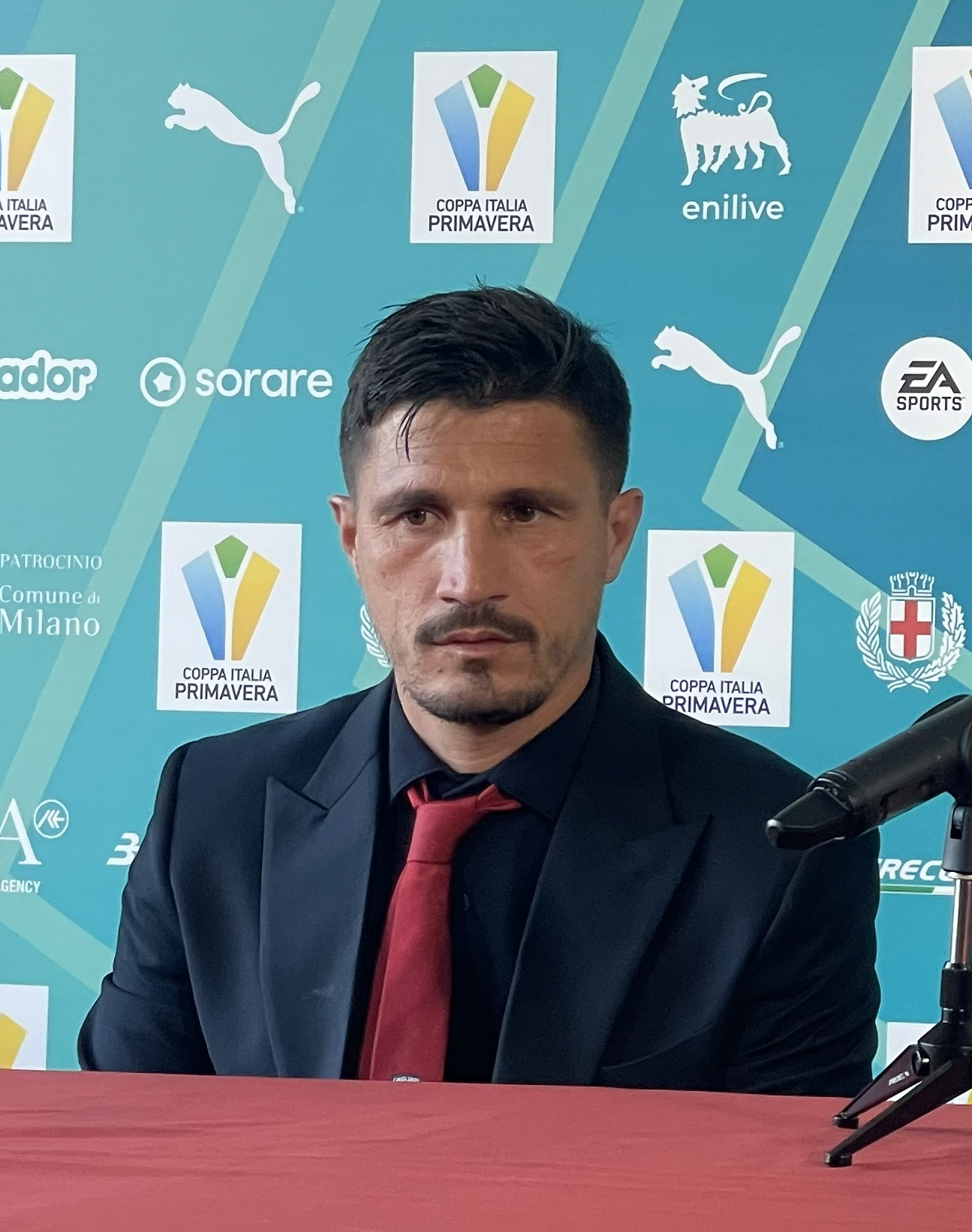
Luciano Spalletti and Fabio Pisacane were both sent off after the full-time whistle at Cagliari on Sunday, following a tense face-to-face confrontation that erupted during what should have been a routine post-match handshake, Football Italia reports.
Juventus had been held to a 1-1 draw away at Cagliari, a result that left Spalletti visibly frustrated as he approached his counterpart on the touchline.
According to TV footage cited by TMW and relayed by Football Italia, Spalletti gripped Pisacane's hand and told him: "You wasted a bit of time." Pisacane responded by grabbing Spalletti's other arm to keep him at distance, repeating: "What time?" The Cagliari coach later added a final line as staff from both benches moved in to separate them: "What are you doing?"
Spalletti later played down the incident. "Nothing happened. I told him they play good football and are good at wasting time, he said what do you mean wasting time, and they kicked us both out," he said, adding: "It was nothing major, all pretty normal."
Time-wasting as a flashpoint, not an accusation out of nowhere
Spalletti's complaint was specific: he accused Cagliari of game management through deliberate time-wasting rather than simply outplaying Juventus. That distinction matters tactically. Slowing a match down — delaying restarts, prolonging substitutions, taking extra time over goal kicks and throw-ins — is a legitimate way for a team holding a result it wants to protect to control tempo and strip the better side of rhythm.
For a Juventus side trying to force a winner away from home, time lost to stoppages compounds the problem in a different way than simply being outplayed: it reduces the number of meaningful ball-in-play sequences available to create chances, which is presumably why Spalletti raised it directly with Pisacane rather than letting it go as a generic post-match handshake.
Pisacane's repeated "What time?" suggests he either disputed the characterisation entirely or saw it as ordinary game management rather than anything approaching gamesmanship. The disagreement over where legitimate match-control ends and time-wasting begins is a persistent point of friction in games where one side needs to protect a scoreline and the other is chasing it.
Why both benches lose their coach's touchline presence
The practical consequence is a one-match touchline ban apiece, with Spalletti set to miss Juventus's home fixture against Lazio and Pisacane ruled out of Cagliari's trip to Monza. For a head coach, losing touchline access for a single match removes the ability to manage substitutions reactively, communicate adjustments to the technical staff in real time, and respond immediately to how a game state is developing. Those responsibilities fall instead to assistants working from the bench or stands, which can blunt a team's capacity for in-game tactical reaction even when the pre-match plan is unaffected.
That matters more for Juventus hosting Lazio, where Spalletti would ordinarily expect to dictate tempo and manage a home game from close range, than it might for a Cagliari side traveling to Monza, though both coaching staffs will need to adapt their matchday structure without their usual pitch-side presence.
A draw that exposed Juventus's frustration with containment football
The underlying context is a Juventus side that could not break down a Cagliari team set up, in Spalletti's reading, to protect a point through disciplined defensive shape and calculated delay. That reading, even if contested by Pisacane, reflects a broader tactical reality: teams facing superior opposition away from home often lean on game management rather than chance creation, accepting fewer attacking opportunities in exchange for control over the pace of the contest.
The confrontation itself changes little about the scoreline, but it does strip both sides of their head coach's touchline input for their next league fixture — a cost that, for Juventus in particular, arrives at a moment when fine-margin decisions on substitutions and tempo control could matter against Lazio.