
Fabregas: Como's win over Venezia was the season's most valuable
Cesc Fabregas praised Samuele Ricci and defended a lucky VAR call after Lucas Da Cunha's penalty gave Como a 1-0 win over Venezia, lifting them to within two points of Inter and Lazio.
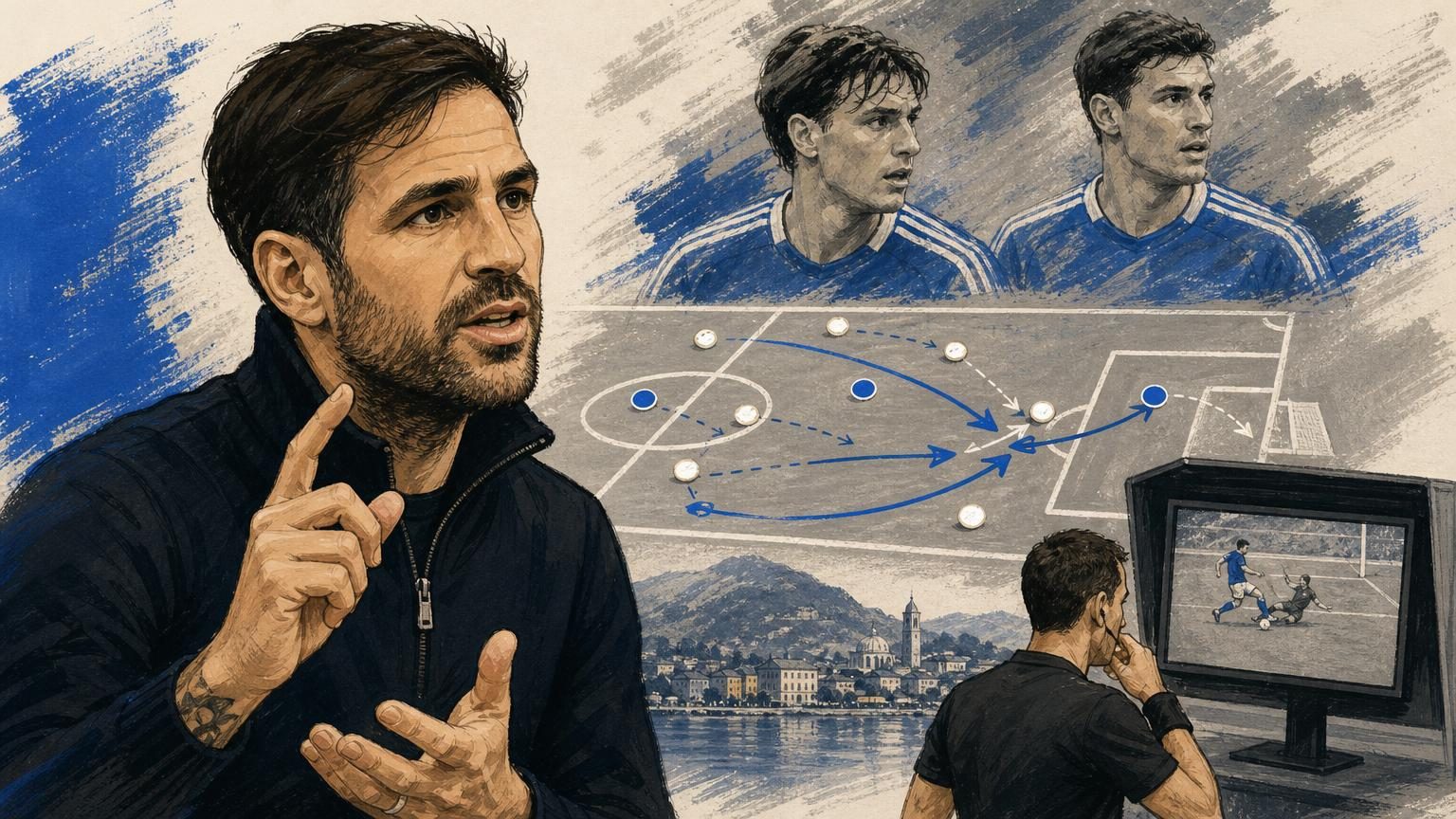
Cesc Fabregas described Como's 1-0 victory over Venezia as the most important of their season so far, after Lucas Da Cunha's first-half penalty settled a tense afternoon at the Sinigaglia. The result, reported by Football Italia via quotes to DAZN and in Fabregas's press conference, moves Como to 23 points, two behind both Inter and Lazio, with a Champions League trip to Lens on Wednesday and a league meeting with Inter the following weekend still to come.
Fabregas called it a fundamental win out of the 13 games Como have played this season, pointing to the defensive side of the performance as much as the goal itself. Venezia managed only one shot on target all game, which came in the 94th minute, and Fabregas noted that in their matches against other sides Venezia had typically created four or five chances. Against Como, he said, they were given practically nothing.
Why a low-scoring win mattered more than the table
Fabregas was explicit that he was not interested in Como's league position relative to Inter's derby defeat elsewhere, saying every week is decisive regardless of what happens around them. That framing matters because it signals how he wants his group to measure itself: not by comparison to results elsewhere, but by control of their own matches under a compressed fixture schedule.
He made the point repeatedly that Como are barely training between games, calling it a mentality issue as much as a physical one. A team that cannot rehearse patterns on the training ground has to default to understood principles instead, and Fabregas suggested Sunday's performance showed the squad had internalised that requirement, managing the closing stages with what he called great control in the final 15 minutes even as changes were forced by fatigue, including the introduction of Liberali after a lengthy absence from the side.
The penalty incidents from both ends underlined how fine the margins were. Fabregas admitted Luis Milla's handball looked like a clear penalty to him in real time, and said he was lucky VAR did not award it, crediting the explanation that Milla was attempting to keep his arm out of the way rather than block the shot deliberately. He was less equivocal about Como's own penalty, saying that without the contact on Tasos Douvikas from behind, the chance would have resulted in a goal regardless.
Ricci's reading of the game and the wide-player problem
Fabregas singled out Samuele Ricci for praise without Ricci scoring or directly setting up the goal, framing the midfielder's value in terms of movement rather than output. He argued that judging players purely by chances created misses what Ricci offers, and pointed to the fact that Ricci won the penalty that led to Da Cunha's goal as evidence the contribution should be read like a goal contribution in its own right.
That assessment connects to a structural problem Fabregas flagged separately: Como are missing both Assane Diao and Jesus Rodriguez through injury, leaving the side short of specialist one-on-one wingers.
Against a low block, he said, that kind of individual threat out wide is essential, and its absence forces more responsibility onto central players to manufacture chances through interpretation and movement rather than isolation dribbling. Fabregas was careful to frame this as a problem to be solved rather than an excuse, saying he does not discuss absentees with the squad and wants the group to find additional solutions rather than lean on what is missing.
Asked what he valued most in his players, Fabregas returned to mentality and willingness to keep playing the way Como want to play, citing Da Cunha's ever-present workload and a tired Nico Paz still pushing through the closing stages as examples of the squad absorbing that message.
He also declined to confirm whether Douvikas would be fit for the trip to Lens, saying the club would assess energy levels the following day before finalising selection for a run of matches he described as requiring the team to find energy wherever it can be found.