
Chivu, Barella and Bastoni all name the same problem at Inter
After Inter's first league defeat of the season, a 3-1 loss to Milan in the derby, the coach and two senior players independently pointed to the same issue: attitude, not tactics.
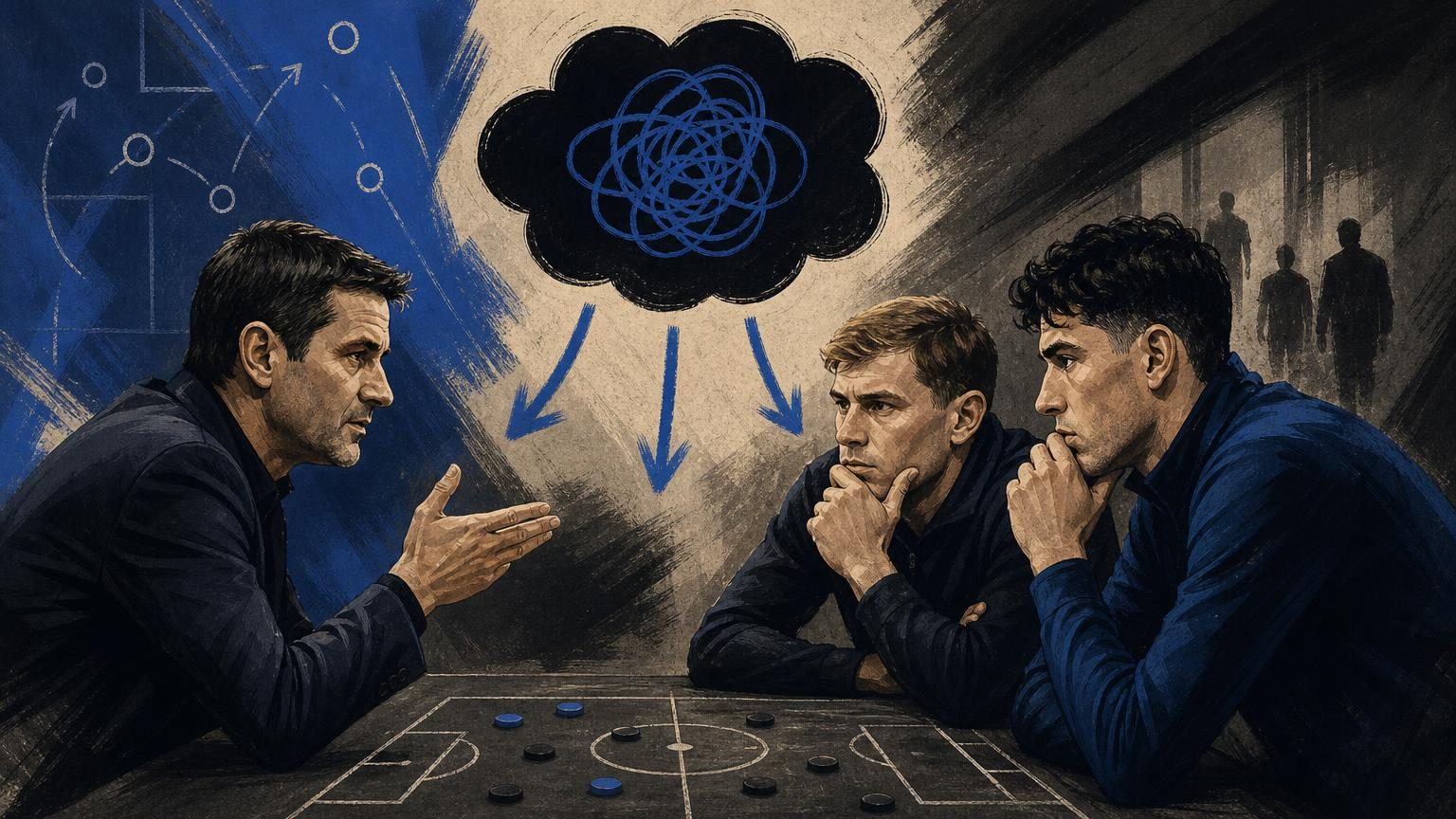
Cristian Chivu, Nicolò Barella and Alessandro Bastoni gave almost identical explanations for Inter's 3-1 defeat to Milan in the derby, according to Football Italia. All three used variations of the same word: approach. That convergence, from a head coach and two of his most senior players, matters more than any single scoreline.
The defeat was Inter's first in Serie A this season, and it came against their city rivals in a fixture they have not won since April 2024, the game that mathematically delivered their 20th Scudetto. Milan's win on October 31 ended that run emphatically, by a two-goal margin at San Siro.
A coach and two captains say the same thing
Chivu did not blame selection or system when he spoke afterwards. "We had the wrong approach, then it wasn't all a waste, because we scored for 2-1 and had the opportunity to draw level at 2-2 if not for that Maignan save. Then we gifted another goal just before half-time," he said. He followed that with a separate admission: "It's disappointing; we expected to do more than we did. We need to improve our approach and determination, which at times is lacking."
Barella's reading pointed further back than one match. "We haven't had the right attitude since the start of the season, and it's a negative thing," he said, quoted via Gazzetta. In a separate remark he added, "Tiredness accumulates, and you pay for it. We must face ourselves; it's a long road."
Bastoni went further still, extending the blame beyond any individual unit. "We had the wrong approach all along. The only thing I want to say is that Inter must be deserved every day. It's a general thing; I include everyone in this. I didn't like the attitude at all; it was inadequate."
None of the three framed the derby loss as a tactical malfunction to be corrected with a formation tweak. All three framed it as a collective failure of standards, repeated often enough across the season that it has become the first thing a coach and two dressing-room leaders reach for when asked to explain a heavy defeat.
The numbers behind the warning
The defensive data supports the idea that this is not a one-off. Inter have conceded 13 goals in ten Serie A matches this season, the second-worst defensive record in the top ten behind only Frosinone's 14, and that figure is worse in context because Juventus and Napoli have each played one fewer game.
Across all 13 matches in every competition, Inter have conceded the opening goal eight times. That is a pattern, not an anomaly: more often than not this season, Inter have had to play from behind before they could play on their own terms.
Last season that habit rarely cost them. Inter won the Scudetto and the Coppa Italia in 2025-26, a double that could paper over defensive lapses because the team so consistently found a way to recover. This season, conceding first has become the baseline rather than the exception, and the derby was the match where that approach finally failed outright.
What Gazzetta's critique adds
Gazzetta's assessment, cited by Football Italia, sharpens the point the players themselves were making. The paper described Inter as a side that "is too caught up in its own reflection, holding on to a belief in its own abilities that is necessary but perhaps excessive, convinced that it can come back from behind every time."
In a separate line, Gazzetta added that the method "had worked" until the derby, but that the Milan game "has once again highlighted Inter's shortcomings, particularly on the mental side, under Chivu."
The two readings fit together. A team that concedes first in the majority of its matches needs genuine conviction that it can turn games around, and Inter's run of results before the derby suggests that conviction was often justified. The problem Gazzetta identifies is that the same self-belief that fuels comebacks can also excuse a poor start, because the players trust they will fix it later. Milan did not allow that trust to be rewarded.
Inter have lost only one league game all season, which on paper still looks like a strong record. But Chivu, Barella and Bastoni are not describing a team undone by one bad afternoon. They are describing a habit of starting matches poorly and relying on recoveries that worked often enough to mask the underlying issue, until a rival finally punished it in full. Barella's own phrase captures where that leaves the squad now: a long road, with the mentality question unresolved rather than answered by one defeat.