
Patrick Vieira's dinked finish at Anfield told Wenger's whole Arsenal story
A moment of pure combination play from Vieira, Henry and Pires in a 2004-05 defeat at Liverpool captured both the brilliance and the fragility of Arsene Wenger's post-Invincibles side.
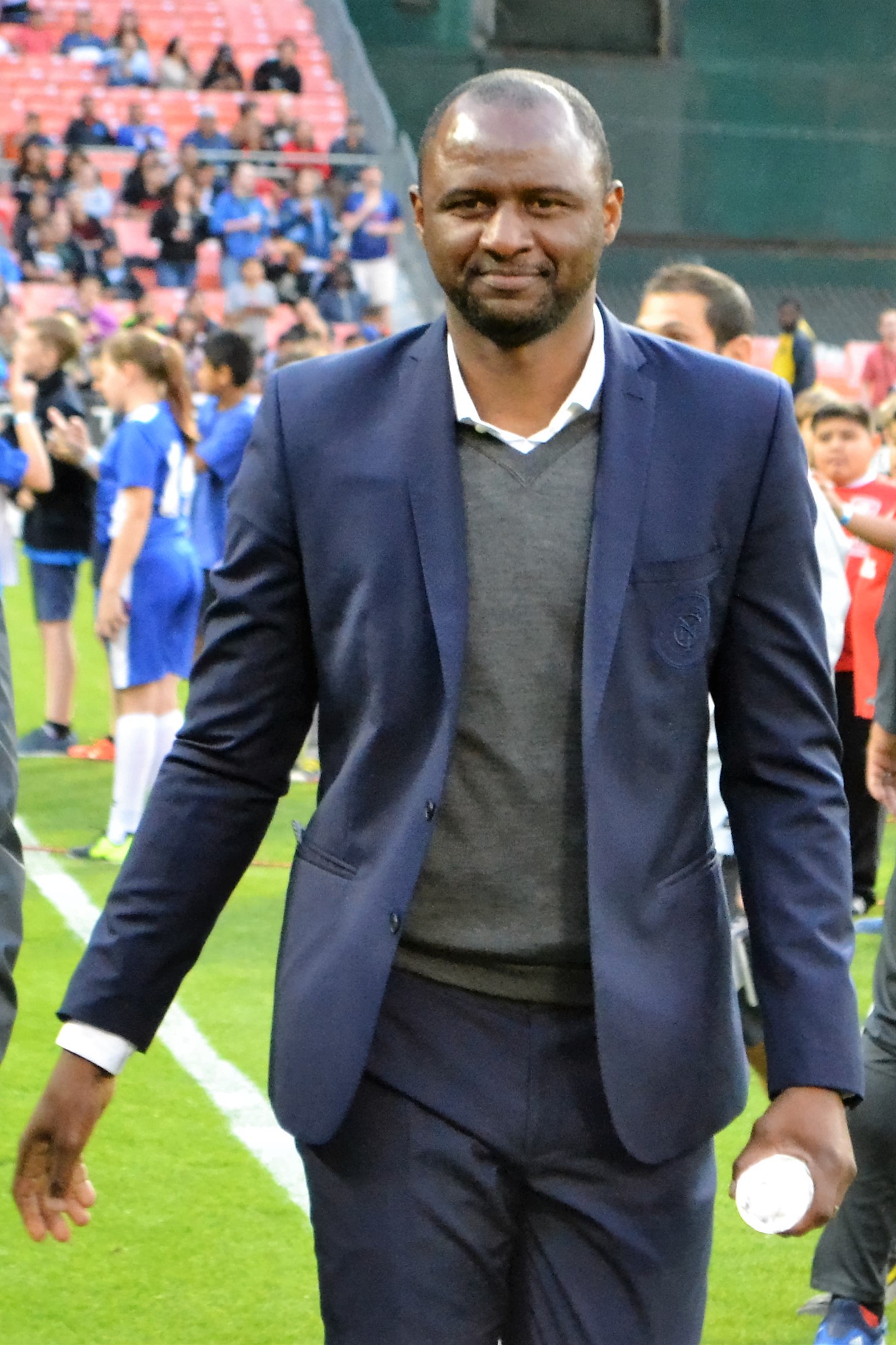
On November 28, 2004, Arsenal travelled to Anfield a year removed from going an entire Premier League season unbeaten, and left with a 2-1 defeat that said more about Arsene Wenger's team than the Invincibles campaign itself, according to Planet Football.
Xabi Alonso had put Liverpool ahead with a strike from the edge of the box, set up by Steven Gerrard in what Planet Football describes as a reversal of the pair's usual roles. Wenger's side, missing only a couple of names from the previous season's unbeaten XI, had been outplayed for most of the first hour.
A passage of play built on one-touch combination
Then came the goal that Planet Football holds up as one of the division's great forgotten moments. Patrick Vieira carried the ball forward from midfield and found Thierry Henry, who held off Steve Finnan with his back to goal before laying it off to Robert Pires.
The sequence works as a lesson in positional interplay. Henry's job in that moment was not to turn and run at goal but to shield the ball and buy time, a piece of link play that is easy to overlook next to his finishing. Vieira, rather than stopping to admire his own pass, kept running beyond the ball and into the box.
Pires completed the picture without breaking stride, releasing a first-time pass into Vieira's path without, in Planet Football's account, even looking up. Vieira finished by dinking the ball over goalkeeper Chris Kirkland while Jamie Carragher was still turning to track the run. It is a goal built entirely on give-and-go combination play and a midfielder's willingness to arrive late in the penalty area, rather than on individual dribbling.
The structural gap that cost Arsenal the points
The goal did not win Arsenal the match. Into stoppage time, with Gilberto Silva absent from his usual post shielding the back four, the ball broke loose in front of Arsenal's own box. Neil Mellor reacted fastest and half-volleyed the equaliser, and Liverpool completed the turnaround from there.
That detail matters tactically. Gilberto's role as the holding midfielder in front of the back four was the ballast that allowed Vieira license to drive forward the way he did for the opening goal. Cesc Fabregas deputised for him that day, with Jose Antonio Reyes also in for Dennis Bergkamp, and the absence of Gilberto's specific defensive discipline left a gap that Liverpool exploited when the game was stretched late on. The same freedom that produced Vieira's finish also left Arsenal exposed when possession turned over near their own penalty area.
Planet Football frames the defeat as part of a wider stumble: Arsenal's untouchable run had already ended the previous month against Manchester United, and the Anfield loss left them with only one win in nine matches across all competitions at that point in the season.
Why this moment defines the Wenger era
What happened next is the part of the argument that gives the Anfield game its significance. Arsenal recovered to win 16 of their remaining 23 league fixtures, finishing above Manchester United, behind only Jose Mourinho's newly funded Chelsea, and closed the campaign by beating United in the FA Cup final on penalties.
Planet Football's reading is that this single season sits closer to the true centre of Wenger's 22 years than either extreme usually cited. The Invincibles flatter a manager who went on to endure a trophyless decade, while that later frustration unfairly erases the period when his team still combined devastating football with genuine resilience.
Vieira's part in both moments is presented as the thread that ties it together. He finished the flowing team goal at Anfield with the same composure he showed converting the winning penalty in that year's FA Cup final, the club's last major honour for close to ten years. The suggestion is that peak Wenger, peak Arsenal and peak Vieira converge in that single, flawed, ultimately successful campaign rather than in the perfect record of the season before it.