
Rest Defence and the Inverted Full-Back
How a team is arranged when it has the ball decides how well it defends when it loses it. The inverted full-back became one of the best-known answers.
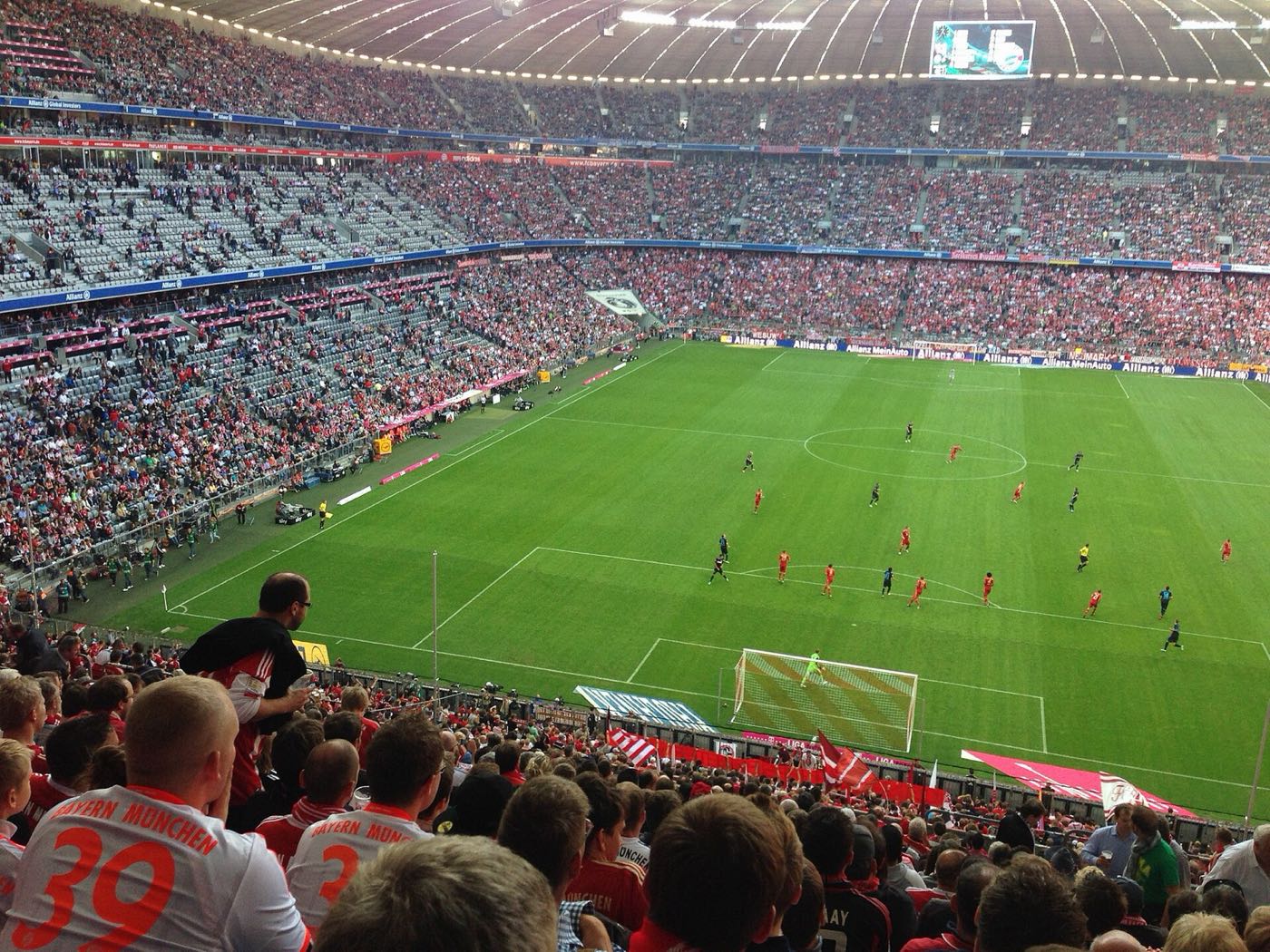
Football analysis has traditionally separated attack from defence, but many of the most important moments sit between the two. When a team loses the ball, its chance of stopping a counter-attack depends heavily on where its players were standing while it had possession. That arrangement, the structure a team keeps behind the ball while attacking, is often called rest defence.
One of the most visible tactical ideas associated with rest defence is the inverted full-back: a full-back who moves into central midfield in possession rather than overlapping down the flank.
What rest defence means
Rest defence refers to the players who are not directly involved in an attack and to their positions relative to the opponent's forwards. Their job is to be ready for the moment the ball is lost.
Coaches often describe rest-defence structures in numbers, such as two centre-backs plus a holding midfielder, or three defenders plus two midfielders. The numbers matter less than the principles:
- Covering the central channel, the most direct route to goal.
- Staying close enough to the ball to support a counter-press.
- Controlling the opponent's forwards, so that a long ball does not find them in space.
- Keeping balance, so that a quick switch does not expose a whole flank.
A good rest defence lets a team commit many players to attack without being exposed. A poor one turns every loss of possession into a crisis.
The problem with overlapping full-backs
In many attacking systems, full-backs push high and wide to provide width. That creates threat but can leave space behind them. When the ball is lost, the opposition can counter into the channels the full-backs have vacated, and two centre-backs with a single holding midfielder may be left facing several attackers.
The problem is sharpest for teams that dominate possession, because they spend long spells in the opponent's half with their structure spread high up the pitch. The more a team attacks, the more often it must be ready to defend a transition.
The inverted full-back
The inverted full-back offers a different solution. Instead of overlapping, the full-back moves infield when his team has the ball, taking up a position alongside or near the holding midfielder. Width is supplied instead by wingers who stay high and wide.
Pep Guardiola's Bayern Munich made the approach famous, with full-backs such as Philipp Lahm and David Alaba moving into central areas during possession. The effects included:
- More players in central midfield, supporting circulation and offering extra passing options.
- A stronger central screen if the ball was lost, with players already placed to counter-press or delay.
- Wingers isolated against opposing full-backs in wide areas.
Rest defence begins while a team is attacking. The inverted full-back is an attempt to make the attacking shape and the defensive shape the same thing.
Trade-offs and variations
No structure is free. Inverting full-backs requires players who are comfortable in central midfield, receiving under pressure and moving the ball in tight spaces, which is a different skill set from that of the traditional overlapping full-back. It can also leave the wide areas behind the winger lightly protected if the opponent switches play quickly.
Other variations pursue the same goal by different means:
- One full-back stays deep while the other advances, creating a back three in possession.
- A holding midfielder drops between the centre-backs, allowing both full-backs to push on.
- A centre-back steps into midfield while the full-backs tuck in behind him.
The aim in each case is the same: to keep enough players in the right positions behind the ball.
Links to counter-pressing and positional play
Rest defence is tightly connected to counter-pressing. A team that wants to win the ball back immediately needs players close to it and a secure structure behind. It also sits naturally within positional play, where the location of every player, including those far from the ball, is treated as part of the team's structure.
The idea also reframes the value of certain players. A holding midfielder or centre-back who excels at stopping counter-attacks may rarely feature in highlights, yet his contribution to rest defence can be what allows the team's attackers to take risks.
Ultimately, rest defence is a way of thinking about the whole team at every moment rather than dividing the game into separate phases. The inverted full-back is simply one of its most recognisable expressions.