
Roberto Muzzi: the Cagliari striker who turned down Wenger and the Invincibles project
Roberto Muzzi has revealed he snubbed a move to Arsene Wenger's Arsenal in the 1990s, a decision that enraged Cagliari president Massimo Cellino and reshaped his career path.
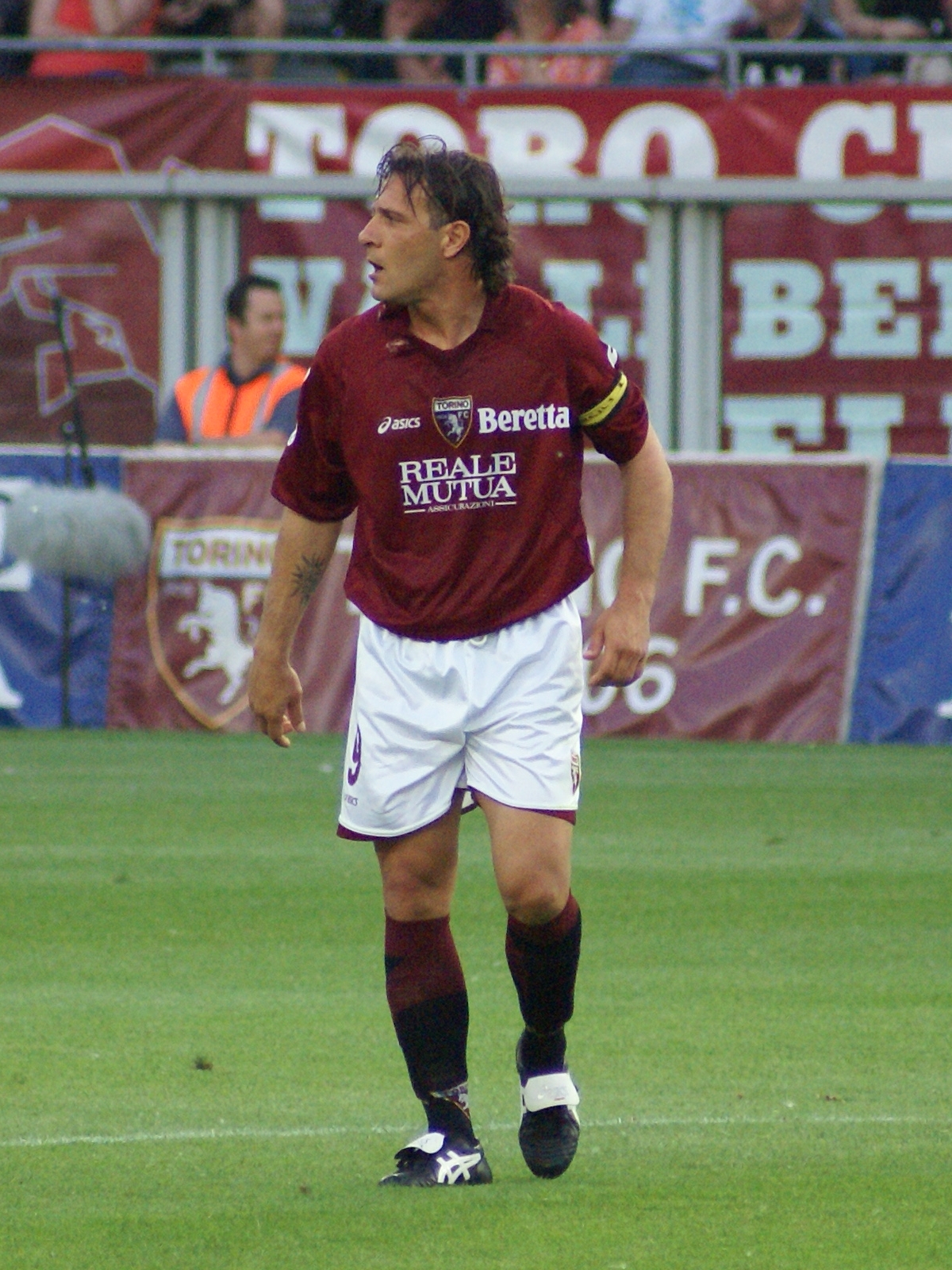
Roberto Muzzi has disclosed that he rejected a transfer to Arsene Wenger's Arsenal during the 1990s, a decision that left Cagliari president Massimo Cellino furious, according to comments made on the PodCasteddu podcast and reported by Football Italia.
Muzzi, now 55, said he was on holiday with Cagliari captain Matteo Villa when he was summoned to the phone at his resort's reception. He recalled that Cellino told him to return to Cagliari immediately so he could fly to London, where Wenger intended to collect him personally.
"I replied look President, I am not going to London, I don’t want to go anywhere," Muzzi said, describing his response to the president. He added: "I just couldn’t bring myself to do it."
A move that would have placed him inside Wenger's rebuild
The timing of the approach matters. Wenger took charge of Arsenal in September 1996 and won the league and FA Cup double in his second season, before the club went unbeaten through the entire 2003-04 Premier League campaign, a run later credited as the defining achievement of his near 22-year tenure, according to Planet Football.
A transfer to that project would have put Muzzi alongside Dennis Bergkamp, the Dutch forward Wenger built much of his early attacking approach around. Bergkamp's deep-lying, link-up role was central to how Arsenal moved the ball through midfield into the final third, and any forward arriving to compete for a place in that system would have needed to adapt to a possession-based structure very different from Serie A's more rigid man-marking traditions of the period.
Wenger's willingness to send a private jet for a Cagliari striker also reflects his known recruitment approach: identifying undervalued or overlooked talent across European leagues rather than relying solely on established market names. Muzzi's case shows that pursuit extended to Serie A forwards who were not yet widely known outside Italy.
Cagliari's fury reflects a club's dependence on transfer income
Muzzi noted that Italian outfield players rarely moved to England at that point, naming Gianfranco Zola, Gianluca Festa and possibly Paolo Di Canio as the few exceptions. That scarcity is itself analytically significant: it marked Serie A and the Premier League as largely separate labour markets for forwards in the mid-1990s, with transfers in that direction still unusual rather than routine.
Cellino's anger at the rejected approach is also explained by the financial model clubs like Cagliari operated under at the time. For a mid-table Italian side, a sale to one of the Premier League's wealthiest clubs represented precisely the kind of transfer fee that sustained squad building and investment, making a player's personal refusal a direct financial setback for the president rather than simply a disappointment.
Staying in Italy shaped a different, longer career arc
Muzzi did eventually leave Cagliari, moving to Udinese in 1999 before spells at Lazio, Torino and Padova, where he retired in 2009. Unlike the players he named as the exceptions of that era, his route out of Sardinia kept him inside the Italian system rather than abroad.
His post-playing career followed a path increasingly common for former professionals: a return to boardroom and technical roles rather than purely coaching. He rejoined Cagliari in 2022 and was promoted to technical director in 2025, a position focused on recruitment strategy and squad planning rather than matchday tactics.
Before that, Muzzi also worked in coaching staffs abroad, serving as assistant manager to Andrea Stramaccioni at Panathinaikos and Sparta Prague. That combination of playing in Serie A, coaching internationally, and then moving into a sporting-director-style role at his boyhood club illustrates one of the alternative career pathways available to players who never crossed into the Premier League at their peak.
Muzzi now oversees recruitment and sporting planning at Cagliari, the club whose president once wanted to put him on a flight to London to sign for Arsenal.