
Runjaic manages Alaba's return, easing him in from the bench against Torino
Udinese coach Kosta Runjaic explains why David Alaba, three months without a competitive game, began on the bench rather than being rushed back into the starting XI.
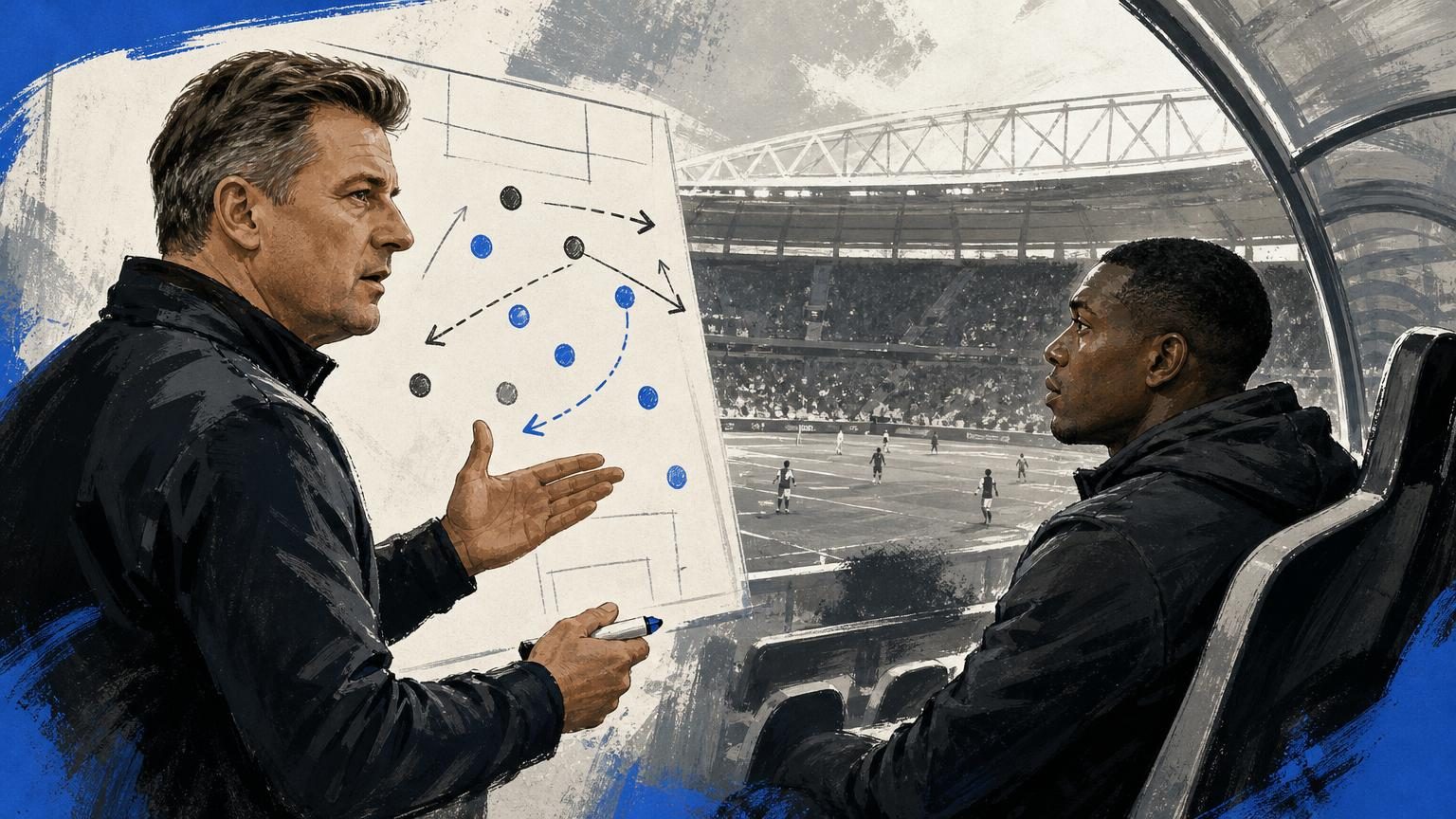
David Alaba was left out of Udinese's starting line-up for the trip to face Torino on Monday night, with head coach Kosta Runjaic choosing caution over immediate reintegration for his high-profile free signing.
Speaking to DAZN before kick-off at the Stadio Olimpico Grande Torino, quotes carried by Football Italia via TuttoMercatoWeb, Runjaic made clear the decision was about workload management rather than any doubt over the defender's quality.
Alaba signed for Udinese as a free agent last month on a contract running to June 2027, having been without a club since his Real Madrid deal expired in June. He said at his unveiling that he felt ready to play, though he has since acknowledged he does not yet have a full 90 minutes in his legs.
Why match sharpness, not ability, kept Alaba out
Runjaic's explanation centred on conditioning rather than form. "I'm very happy that he signed and that he decided to come to us," he said. "I believe Alaba will do us a lot of good thanks to his experience, his quality, his value and his human qualities, given that he's integrated into the group quickly."
That framing matters tactically. A player returning from a lengthy layoff lacks the repeated high-intensity actions — sprints, recoveries, duels — that match sharpness demands, regardless of technical level. Alaba's experience and reading of the game are not in question; his capacity to sustain that output for a full match is.
Runjaic was explicit about the gap in game time. "His last official game was three months ago, so we need to manage him." That single sentence frames the entire selection call: a coach weighing the value of a ready-made defensive leader against the physical reality of nearly a quarter-year without competitive football.
The bench as a controlled reintroduction
Rather than ruling Alaba out entirely, Runjaic positioned the bench as a staged route back. "He's an exemplary professional who made himself available straight away, and he's ready on the bench." The coach added: "Maybe we'll see him during the game, but I'm sure we'll soon see him at his best."
This is a familiar pattern in squad management after long absences: introduce minutes incrementally, monitor recovery between sessions, and avoid the injury risk that comes with throwing an unconditioned player into 90 minutes of Serie A intensity. For a 33-year-old defender with Alaba's profile, the calculation leans toward patience over immediate reward.
A break used to rebuild structure, not just bodies
The timing of Alaba's bench role comes against the backdrop of a difficult run for Udinese, who have won only once in their last five league games. Runjaic used the recent three-week gap in the calendar to address issues exposed by the defeat to Cagliari, working with a reduced group of around 13 or 14 players available each day plus a friendly fixture in Poland.
"It was a long break, especially after the Cagliari game, which didn't make us happy," Runjaic said. "We had around 13 or 14 players every day to work on the details with, and we also played a friendly in Poland. It was the right balance between rest and hard work."
That detail work is significant: with a depleted group, Runjaic could focus on specific tactical principles rather than full-squad rehearsal, a trade-off coaches often accept when injuries and international absences shrink the available pool.
Runjaic also confirmed the return of Arizala, Palma and Zanoli from injury or fitness issues, though Zanoli's case was treated with particular caution. "Some players who were coming back from physical problems or injuries, like Arizala, Palma and Zanoli, have returned, although with Zanoli it was a minor fatigue issue and we preferred not to take any risks given his previous cruciate ligament injury."
The Zanoli decision mirrors the logic applied to Alaba: a minor red flag, set against a serious prior injury, is enough to justify withholding a player rather than risking a setback. Across both cases, Runjaic's approach reflects a broader philosophy of risk management over short-term selection gains, prioritising medium-term squad health while Udinese try to arrest their poor run of form.