
Runjaic's Udinese undone by individual errors again at Torino
A fourth consecutive Serie A defeat leaves Udinese searching for answers after another goalkeeping mistake, this time from Maduka Okoye, proved decisive against Torino.
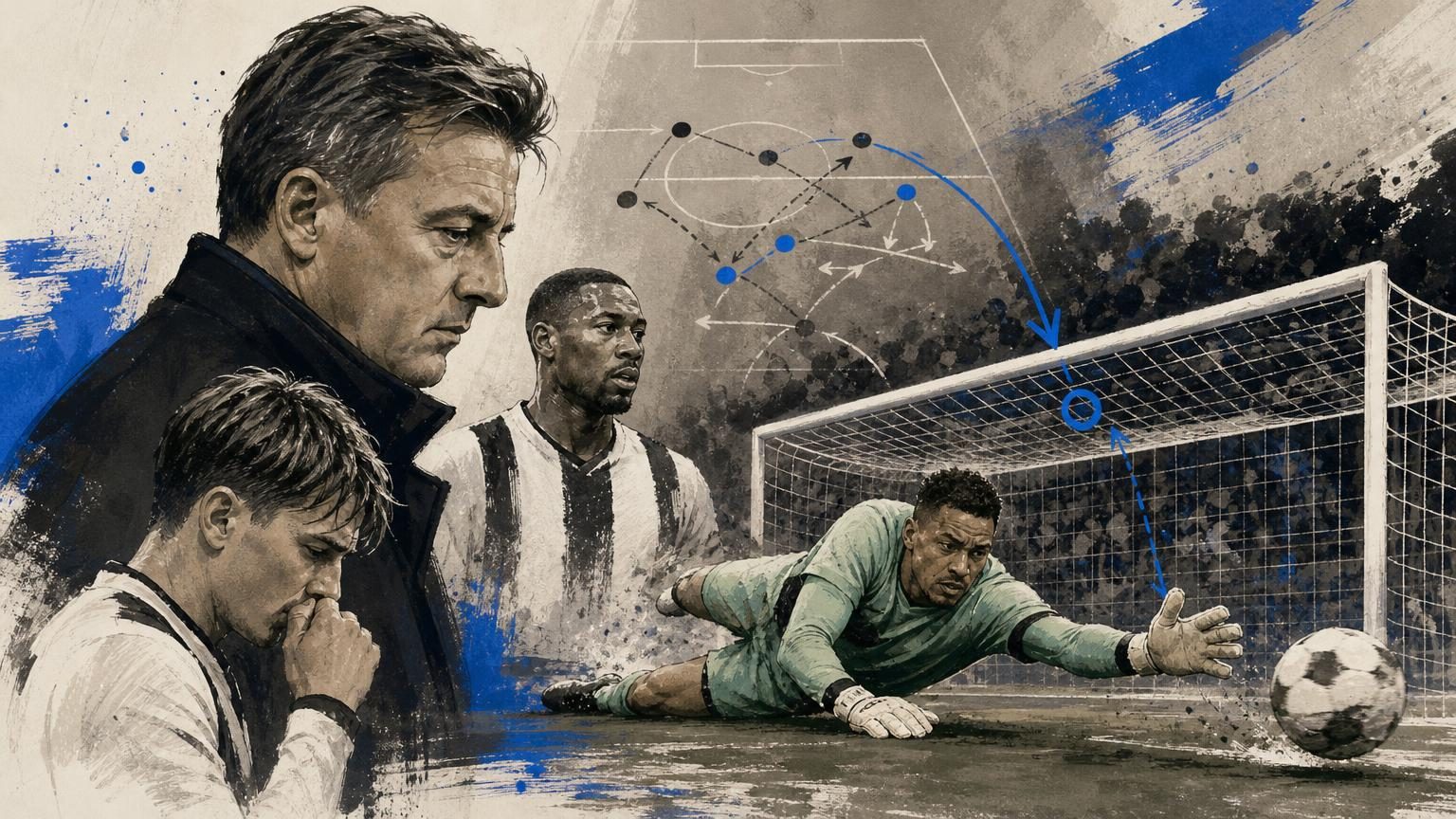
Udinese's losing run has reached four matches after a 2-1 defeat at Torino, with head coach Kosta Runjaic again pointing to a single defensive error as the difference between a result and another setback.
Torino took the lead through Daniel Bragança before the break, only for Jurgen Ekkelenkamp to level for Udinese. Substitute Sandro Kulenovic then won it midway through the second half after capitalising on a mistake from goalkeeper Maduka Okoye.
Speaking afterwards, quotes carried via TuttoMercatoWeb and reported by Football Italia, Runjaic drew a direct line between this collapse and the one that cost Udinese against Cagliari before the international break. "We lost because of a big mistake, like against Cagliari," he said. "As head coach, I'm responsible too. It was a lack of communication and perception, and with mistakes like these you end up losing games."
A pattern, not a one-off
Runjaic's willingness to name the Cagliari game specifically matters here. A coach can absorb one costly error as misfortune; two matches apart that share the same description — a breakdown in communication rather than a technical slip under pressure — point to something systemic in how Udinese organise defensively, particularly around decision-making involving the goalkeeper.
That distinction is significant. Communication errors tend to stem from unclear roles between a keeper and his defensive line over who claims a ball, rather than from a single player's individual quality. If Runjaic is right that this was a repeat of Cagliari, it suggests Udinese have not yet resolved a structural issue in how their back unit and Okoye coordinate under pressure, regardless of personnel changes in between.
Runjaic did not shy away from the responsibility that sits with him for that. His comment that he is "always optimistic" by nature reads less as deflection than as an acknowledgment that belief alone has not been enough to stop the same category of mistake recurring.
Missing cutting edge compounds the problem
The coach's frustration extended beyond the two defensive errors. He noted that Udinese neither scored freely nor created much against Torino, and that the home side's opening goal itself came from a set piece — an area he flagged without elaborating further. For a team already shipping soft goals, the absence of a reliable attacking outlet removes the safety net that might otherwise cushion individual mistakes at the back.
That combination is a difficult one tactically. A side conceding from communication breakdowns needs goals at the other end to offset the damage; a side also struggling to create chances has no such cushion, and four straight defeats is the result. Runjaic's instinct afterwards was to protect dressing-room morale rather than dwell on specifics, saying the group had "to get through this moment by encouraging one another."
Returning faces offer a route back
Amid the run of defeats, Runjaic pointed to two individual performances as genuine positives: Oumar Solet, back from absence, and Ekkelenkamp, who scored Udinese's equaliser. "There's the return of Solet, who showed how important he is," Runjaic said, adding that Ekkelenkamp "confirmed his qualities" and that more players were due to return to the squad.
David Alaba's introduction with 18 minutes left adds another name to that list of returning figures. The former Real Madrid defender had gone three months without a competitive match, and Runjaic had said before kick-off that his integration would need to be handled carefully rather than rushed. A measured substitute appearance, rather than a start, fits that approach.
The broader picture for Runjaic is one of a squad gradually being restocked with experience and quality just as results have gone the other way. Whether Solet's return stabilises the defensive communication issues he described, and whether Ekkelenkamp's form can be sustained alongside Alaba's gradual reintegration, will shape whether Udinese can arrest the slide.
Udinese remain on four points following the defeat at Torino, their fourth loss in a row, with the squad now shifting its focus toward turning individual returns into collective results.