
Spalletti's Juventus found out again that duels decide matches
A 2-0 defeat at Genoa left Luciano Spalletti questioning whether his Juventus squad has the physical edge for a league he says has fundamentally changed.
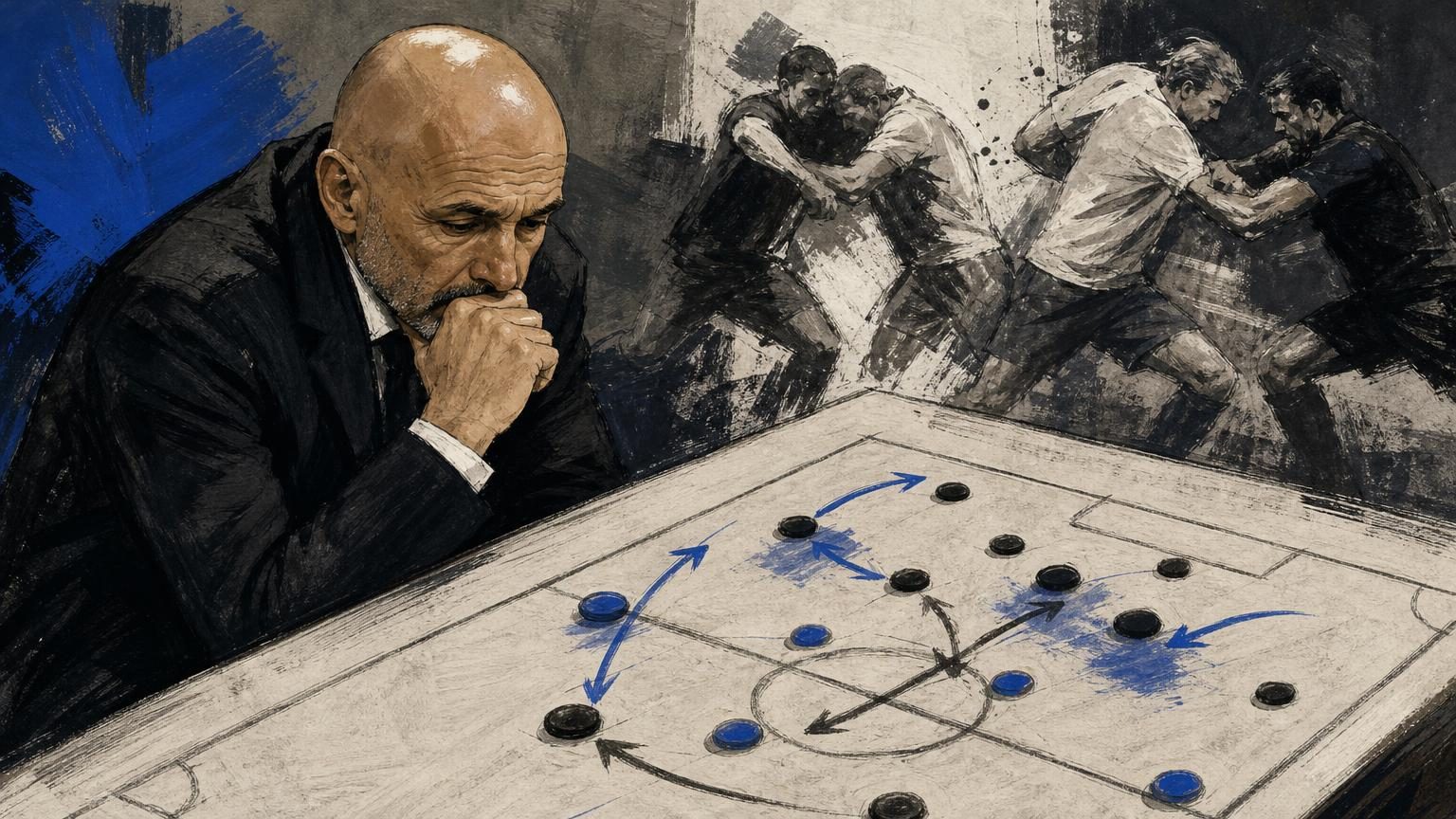
Juventus lost 2-0 at Genoa on Wednesday, beaten by a Kingsley Ehizibue strike and a Tommaso Baldanzi effort at Stadio Luigi Ferraris, and Luciano Spalletti used his post-match remarks to Football Italia to diagnose a problem that goes well beyond one bad night in Marassi.
Asked to explain the collapse against a side fighting relegation, the Juventus coach did not point to shape or selection first. He pointed to duels. "It's difficult to accept the level of running and intensity of challenges, because we lost duels in attack, in defence, we lost them all over the place," he said, adding that his side need to "raise the physical level, the willingness to battle for the ball."
The system change that never settled
Spalletti had moved away from his two-striker setup before kick-off, only to restore it at half-time once Juventus were already two goals down. By his own admission, the adjustment came too late to matter, and the underlying issue was not really about which forward pairing started.
He singled out Baldanzi's role in Genoa's build-up as a specific failure of structure, saying Juventus "never found the right balance" with the space the midfielder exploited behind the defensive line. That is a coaching admission, not just a result: a team that cannot track a free-roaming attacking midfielder has a problem in midfield coverage and defensive transition, not simply a problem of personnel on the bench.
Juventus did have late sight of an equaliser when Teun Koopmeiners' deflected free kick cannoned off the underside of the crossbar in stoppage time, but one close set-piece chance does not offset a performance Spalletti described as needing an apology to supporters.
Why 'duels' is the number that worries him
A duel, in the data sense used across modern coaching staffs, measures a one-on-one contest for the ball — a tackle, an aerial challenge, a shoulder-to-shoulder battle for second balls — won or lost. It is not a measure of technical quality or tactical organisation on its own, but it is a proxy for something coaches increasingly treat as non-negotiable: whether a team is willing to fight for territory before it can even attempt to play.
Spalletti framed this as a generational shift in the game itself. "What worries me is that I am struggling to let the players understand football has changed. Before anything else, you need to win these duels, deal with being harassed all over the pitch, because that's what football is now," he said.
That is a pointed claim from a coach with his track record, and it suggests he sees Juventus not merely underperforming within a system but misunderstanding the physical premise the modern game is built on — aggressive pressing, quick transitions, and contests won before possession can be established.
He drew a direct comparison to the 3-0 home defeat against Lazio, calling the Genoa performance a similarly large step backwards and noting that players appeared reluctant to assert themselves physically — a pattern, he said, that has recurred "since the start of the season."
Fatigue, injuries and no time to fix it
Spalletti was candid about the practical constraints working against any quick fix. Training sessions aimed at replicating duelling intensity have not translated to matches, he said, partly because fixture congestion leaves little room to drill it and partly because an injury crisis has thinned his options. "We don't have time to train now and have very few alternatives, so the fatigue piles up," he explained.
That combination — a tactical principle he wants instilled, limited training windows to instil it, and a squad short of fit alternatives — describes a club trying to retrofit a physical identity mid-season rather than build one from pre-season foundations. Spalletti acknowledged as much, saying every attempt to introduce something different requires time Juventus currently does not have.
What comes next at Napoli
The response will come quickly. Juventus travel to face Napoli, Spalletti's former club, with both sides level on 14 points. He spoke of the fixture in personal terms, describing a lasting attachment to the city and its supporters regardless of the dugout he now occupies.
For Juventus, the result matters more than the sentiment. Another defeat without the fight Spalletti says has been missing since August would deepen the pressure already building after the Genoa loss, and would leave his diagnosis of the problem looking easier to state than to solve.