
The shapes and roles inside Southgate's first England XI
A look back at the positions and partnerships from Gareth Southgate's first game as England boss in 2016 shows how far his side travelled, as recorded by Planet Football.
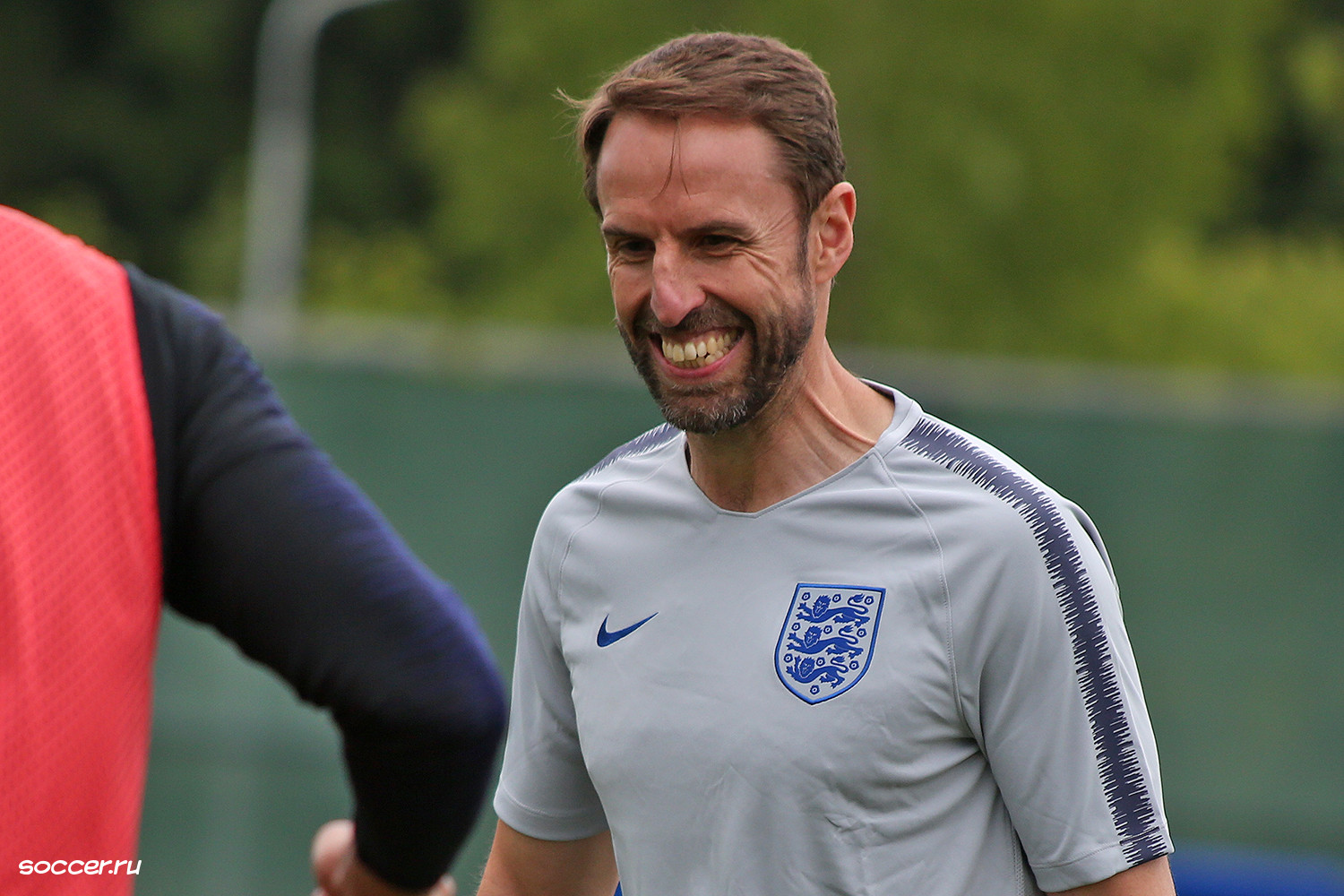
Gareth Southgate's first match as interim England manager, a 2-0 win over Malta in October 2016, fielded a team whose individual roles say as much about his later system as any result did, according to Planet Football.
The outlet's retrospective on that XI traces how a back four built around converted full-backs and a makeshift left-back gradually gave way to the defensive structures that carried England to a World Cup semi-final and two European Championship finals.
Walker's rise shows how a right-back became a system piece
Kyle Walker started that Malta game at right-back and, per Planet Football, was one of only three players from the XI still in Southgate's Euro 2020 squad.
His move from Tottenham to Manchester City in 2017 placed him inside Pep Guardiola's possession structure, and the outlet notes he collected six Premier League titles, a Champions League and four League Cups there while fending off Kieran Trippier, Reece James and Trent Alexander-Arnold for the England right-back shirt.
That a specialist full-back could remain first choice for close to a decade, across different England systems, underlines how central the role became to Southgate's build-up play down the right.
The centre-back axis that outlasted everyone else in defence
Gary Cahill and John Stones started alongside each other at centre-back in Malta. Cahill was named in the PFA Team of the Year after Chelsea's 2016-17 title, succeeded John Terry as club captain, then told Southgate in 2018 he did not want to be picked for England barring an injury crisis, Planet Football reports.
Stones went the other way. A calamitous error in a 2019 Nations League match against Holland pushed him out of the Manchester City side, but the outlet records that his central-defensive alliance with Manchester rival Harry Maguire went on to anchor Southgate's teams for years, through to the 2026 World Cup under Thomas Tuchel.
The pairing illustrates how a centre-back partnership can be worth more to a national team than individual form at any given moment; Stones' club struggles never dislodged him from England's back line once that partnership was established.
Why a makeshift left-back missed the World Cup
Ryan Bertrand started at left-back against Malta, with Danny Rose introduced later. Planet Football notes Bertrand was then left out of England's 2018 World Cup squad despite his versatility across several defensive roles.
Bertrand made that case himself. "I played wing-back in a five at the end of the season, which is how England play," he told the Daily Mail, pointing to his work in a back three alongside Virgil van Dijk and Jose Fonte at Southampton and a run of six clean sheets.
He added that he had also filled in at left midfield in a Champions League final for Chelsea, concluding: "It is perhaps an oversight in the manager's analysis and I find that hard to take."
His omission shows the gap that can open between a player's positional range on paper and a manager's reading of how that range fits a specific system; Southgate wanted a particular profile of wing-back, and Bertrand's varied résumé was not enough to secure it.
Henderson's climb from scapegoat to captain
Jordan Henderson played as a central midfielder in that Malta win, a period when he was, in the outlet's words, a much-maligned figure at both Liverpool and England.
Planet Football details how he instead became a title-winning captain, lifting the Champions League in 2019 and then Liverpool's first league title in 30 years, before spells at Ajax, Brentford and now Chelsea, plus a recall to the 2026 World Cup squad.
Dele Alli started alongside him that night as a central midfielder. He has not played for England since June 2019, and told Goal in July 2021: "The only person I blame is myself."
Wayne Rooney completed that midfield, already in the latter stages of his international career under a manager he had once played alongside. He retired from England duty in 2017, returned briefly a year later, finished his playing days at Derby County, then moved into management with Derby, DC United, Birmingham and Plymouth before becoming a pundit, Planet Football reports.
Joe Hart's goalkeeping career followed a similar late-stage arc to Rooney's midfield one: he kept his place as England's number one before Jordan Pickford took over ahead of the 2018 World Cup, left Manchester City for Burnley and later Celtic, and is now a BBC pundit.
Taken together, the positions in that Malta line-up map a decade in which Southgate's England moved from an improvised back four and a maligned midfield engine room to a settled system built on a long-serving full-back, a durable centre-back partnership and a captain reborn in a holding role.