
What Possession Statistics Can and Cannot Tell Us
Possession percentages are among the most familiar statistics in football coverage and among the most misread. How they are calculated, and what they conceal, both matter.
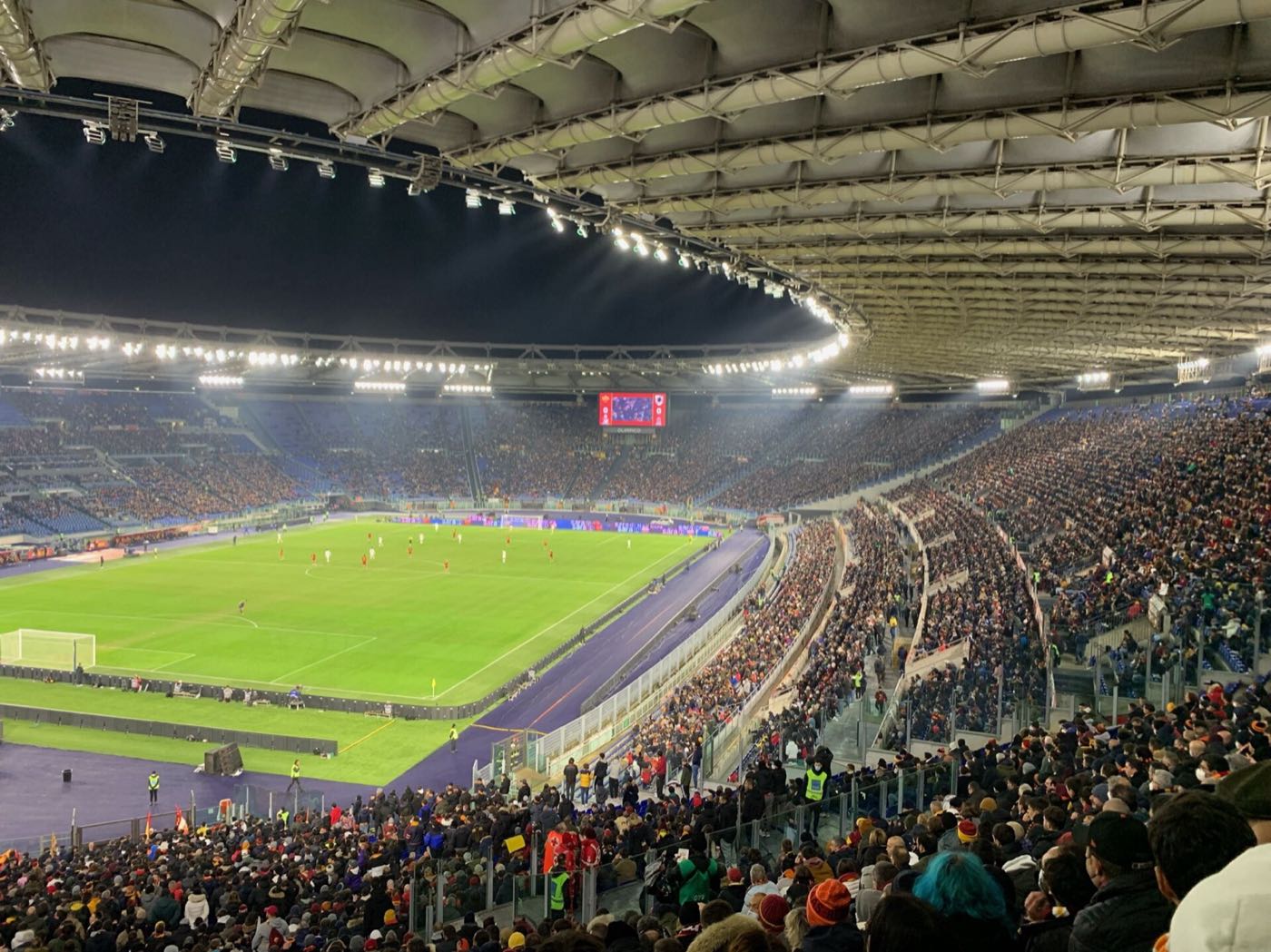
Possession is the most familiar statistic in football coverage. Long before expected goals or pressing metrics, broadcasts displayed the share of the ball each side had enjoyed. It is often read as a measure of dominance, and sometimes as a measure of quality. Neither reading is entirely safe.
Understanding why requires looking at how the figure is produced, what shapes it, and which other measures describe more precisely what possession is usually taken to mean.
How possession is calculated
There is no single universal method. Two approaches are common:
- Pass-based: a team's share of possession is estimated from its share of the total passes in the match. This is simple to compute from event data.
- Time-based: the time each team spends in control of the ball is measured directly, which requires more detailed data.
The two methods can produce noticeably different figures, particularly in matches where one side plays many short passes and the other plays more directly. That alone should encourage caution when comparing possession numbers from different sources.
Possession is not control
A team can have a large share of the ball without controlling the match in any meaningful sense. Sterile possession, circulating the ball in front of a compact defence without creating chances, can be a sign of the opponent's success rather than its failure.
Conversely, a team with less of the ball may be in firm control. A side that defends well, restricts chances and counter-attacks effectively can dictate the character of a match without needing the ball for long.
Possession tells you who had the ball. It does not tell you who decided where the game was played.
Game state and intent
Possession statistics are strongly shaped by the scoreline. A team that takes the lead may deliberately cede the ball, sitting deeper and inviting pressure. The trailing team then accumulates possession simply because it needs to attack. Across a whole match, the final figure can reflect this shift more than any underlying superiority.
Intent matters too. For teams built around positional play, possession is part of a defensive strategy as well as an attacking one: an opponent without the ball cannot attack. For other teams possession is a secondary concern, and they may be entirely comfortable having less of it.
Where possession happens
A more useful question than how much possession a team had is where it had it. Several measures address this:
- Field tilt: a team's share of possession or passes in the final third, which captures territorial dominance more directly.
- Final-third entries: how often a team moves the ball into dangerous areas.
- Progressive passes and carries: actions that move the ball significantly towards the opponent's goal.
- Possession outcomes: how often possessions end in shots, and of what quality.
These measures help distinguish a team that keeps the ball in its own half from one that sustains pressure near the opponent's goal. They connect naturally to measures of chance quality such as expected goals.
A high possession share can also reflect defensive success. Teams that press effectively win the ball back quickly and often, which raises their share of the ball. In that sense possession is partly a product of pressing, not simply a choice made in attack.
It also depends on how a team defends after losing the ball. A side with a sound rest-defence structure and an effective counter-press can sustain possession for long periods because opponents struggle to escape their own half. The figure on screen may therefore describe a whole system rather than a style of passing.
Reading possession well
Possession remains useful when read in context:
- Compare it with the scoreline and the timing of goals.
- Consider where on the pitch the possession took place.
- Look at what the possession actually produced.
- Remember that different providers may calculate it differently.
Used this way, possession stops being a verdict and becomes one input among several. It is a reminder that the most familiar number in football can also be among the most misleading, and that the questions worth asking about the ball are usually where, when and to what end.