
Istanbul 2005: The Tactical Story of Liverpool's Comeback
Three down at half-time, Liverpool changed shape and changed the game. The 2005 final is remembered for emotion, but a structural adjustment made it possible.
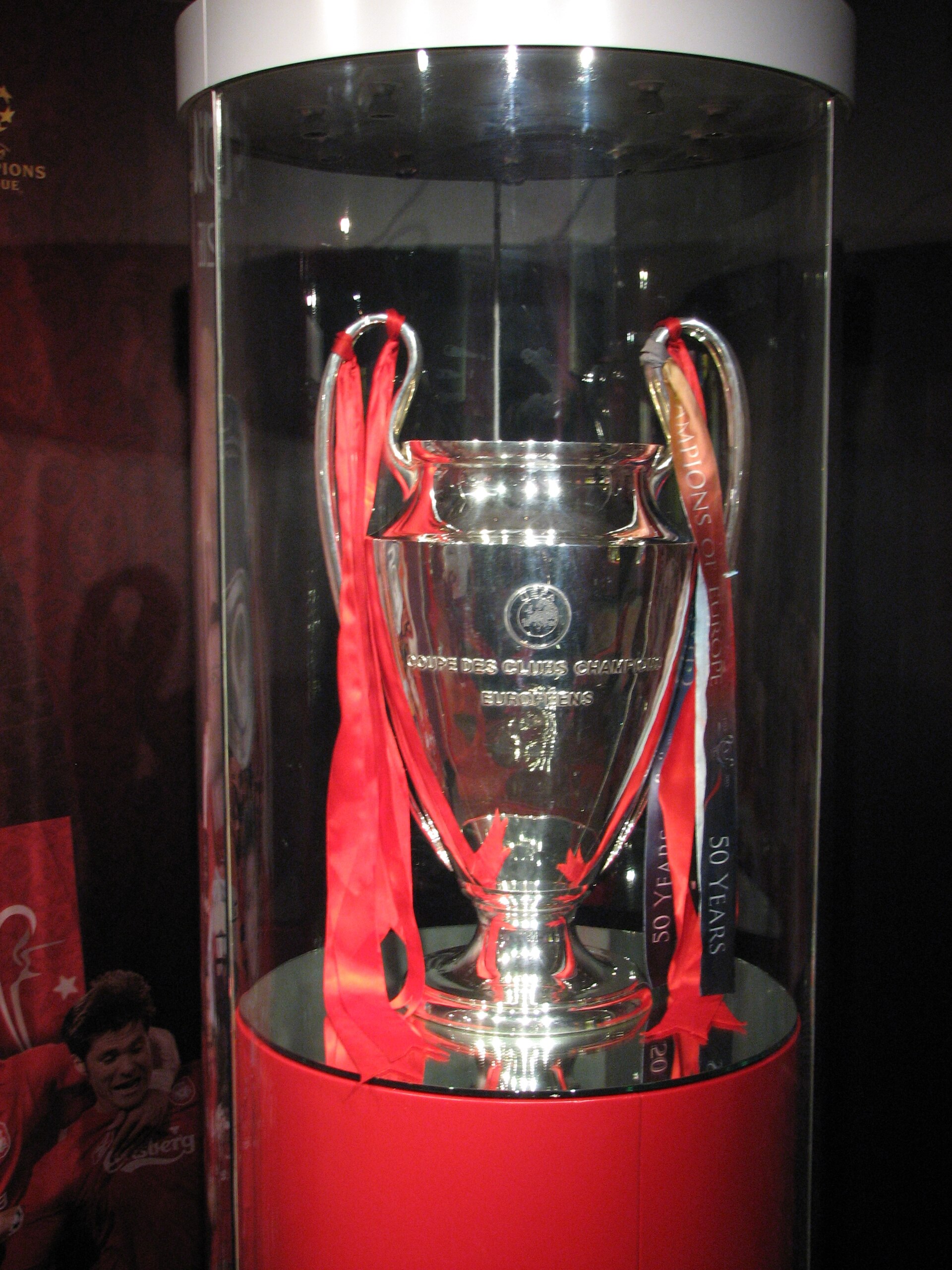
The 2005 Champions League final in Istanbul is usually told as a story of spirit. Milan led 3-0 at half-time; Liverpool scored three times in a short spell after the break, survived extra time and won on penalties. The emotional arc is irresistible, but beneath it lies a clear tactical story about how Milan's midfield dominated the first half and how Rafael Benítez's changes altered the balance of the second.
Milan's diamond
Carlo Ancelotti's Milan played a 4-4-2 with a midfield diamond. Andrea Pirlo sat at its base, Gennaro Gattuso and Clarence Seedorf worked either side of him, and Kaká operated at the tip, behind the strikers Andriy Shevchenko and Hernán Crespo. It was a structure designed to control the centre of the pitch.
- Pirlo dictated tempo from deep, with time to pick his passes.
- Kaká drove forward into the space between the opposition's midfield and defence.
- Gattuso and Seedorf provided energy, protection and further passing options.
The narrowness of the diamond meant that much of Milan's width had to come from the full-backs, but the quality of the players in the middle allowed the team to circulate the ball patiently and then accelerate through the centre. Pirlo's role in this system is explored in Andrea Pirlo and the modern regista.
A first half on Milan's terms
Paolo Maldini scored in the opening minute, and Crespo added two more before half-time. Liverpool's shape struggled to contain Kaká, who repeatedly found room between their lines, while Pirlo was rarely placed under sustained pressure. Liverpool also lost Harry Kewell to injury during the first half, with Vladimír Šmicer replacing him.
The first-half problem was not simply one of effort. Liverpool's structure left Milan's two most creative midfielders too free, and when a team of that quality has time in the centre, the rest tends to follow.
The half-time change
Benítez responded by bringing on Dietmar Hamann in place of the right-back Steve Finnan and reorganising the team with three at the back. The change had several effects:
- Hamann added a disciplined presence in central midfield, closer to Kaká.
- Steven Gerrard was freed to push further forward.
- Liverpool gained more bodies in the centre, reducing the space Milan had enjoyed.
Istanbul was not only a triumph of will. A reorganised centre, tighter around Kaká and Pirlo, gave that will a structure to work within.
In a short burst early in the second half, Liverpool scored three times. Gerrard headed the first; Šmicer struck the second from distance; and Xabi Alonso scored the third, following up after his penalty had been saved by Dida. The speed of the comeback owed something to Milan's momentary loss of composure, but the platform had been built by a shape that let Liverpool compete for the ball where it mattered most.
Extra time and penalties
Milan regained control in extra time as Liverpool tired. Jerzy Dudek produced a remarkable double save from Shevchenko late on, and the final went to a shoot-out. Dudek's movement on his line became one of the enduring images of the night, and he saved the decisive kick from Shevchenko to give Liverpool the trophy.
The fact that Milan were the stronger side for much of extra time is itself instructive. Liverpool's adjustment had changed the contest, not reversed it permanently; fatigue and Milan's quality gradually reasserted themselves.
What the final teaches
The 2005 final is often cited as proof that anything can happen in football, but its more useful lesson is structural. Milan's diamond was dominant while its key midfielders had time. Once Liverpool's system directly contested that space, the match became a different contest.
It also illustrates the double-edged nature of narrow systems:
- The diamond concentrated quality where Milan wanted it.
- When that central control was disrupted, the team had fewer natural outlets.
- A switch in the opponent's shape could change the numbers in midfield at a stroke.
Liverpool's move to three at the back is one small episode in a much longer story, traced in the evolution of the back three.
Few finals have been decided by such a combination of tactical adjustment and sheer momentum. Separating the two is difficult, but the half-time change remains the pivot on which the evening turned.