
What Arsene Wenger's 126 Arsenal signings reveal about his transfer blueprint
A review of every permanent signing Arsene Wenger made across 22 years at Arsenal, via Planet Football, points to a strikingly consistent recruitment profile.
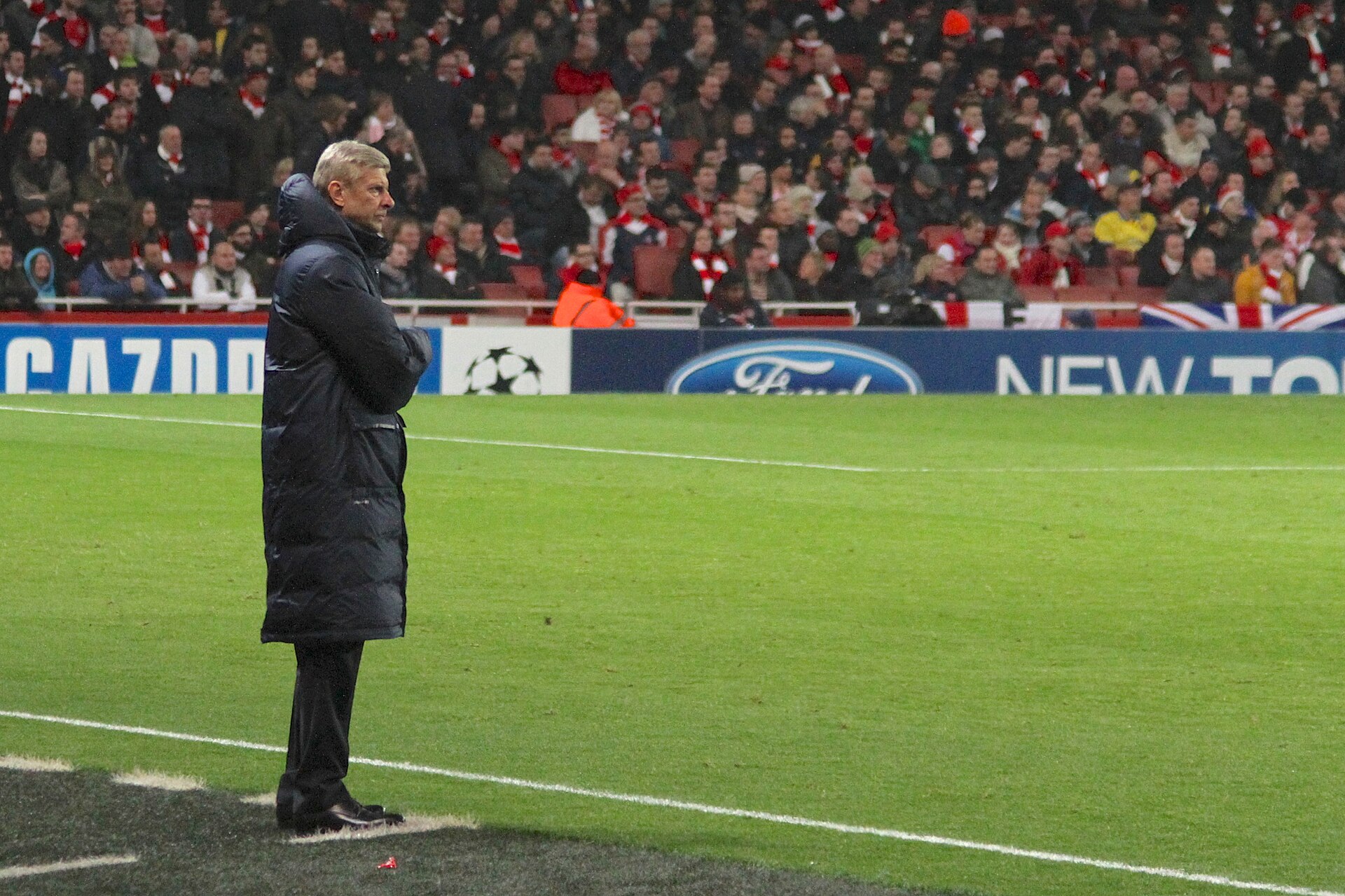
Arsene Wenger made 126 different permanent signings during his 22 years in charge of Arsenal, and across that span the positions, ages and nationalities he returned to again and again form a recognisable pattern, according to a review by Planet Football.
The outlet notes that 222 players featured for Arsenal during Wenger's time at the club, which it calculates as roughly 23% of everyone to have ever played for the club in its history. Working through all 126 signings by position, age and background, Planet Football set out to establish what a typical Wenger recruit looked like.
Centre-backs were his most repeated project
Sorting the signings by position produced a near-tie: Wenger brought in 22 centre-backs and 22 central midfielders, with the midfield tally inflated by versatile players such as Alex Oxlade-Chamberlain. Planet Football therefore settled on centre-back as his most frequently targeted role.
His first purchase in that position came in May 1997, eight months into the job, when he paid Luton Town £2million for Matthew Upson. Upson made only 57 appearances across six years at the club before going on to play for England at a World Cup, but the centre-back pipeline that followed ran from Sol Campbell and Pascal Cygan through to the surprise January 2018 arrival of Konstantinos Mavropanos.
A manager returning so often to the same defensive slot suggests a squad-building habit built around continual turnover at centre-back rather than settling on a long-term pairing for years at a time, a pattern the data makes plain even without any single transfer standing out as decisive.
The age profile reveals a consistent recruitment age
Age proved easier to pin down. The single most common age at signing was 24, covering 12 players including Sead Kolasinac, Bacary Sagna and Aleksandar Hleb. A further 12 arrived as 18-year-olds. Across all 126 deals, the average age worked out at just over 23.
Three outliers skew that number upward: Jens Lehmann, Sol Campbell and Thierry Henry were signed at 41, 35 and 34 respectively for what amounted to swansong spells. Strip those three out and the average age drops to 22.8, reinforcing the sense that Wenger's recruitment leaned heavily toward players still some years from their peak rather than the finished article.
That bias toward younger signings, paired with the repeated return to centre-back, points to a long-term squad-building approach rather than short-term patching — buying players early enough to develop them inside his own system.
France remained his core pipeline throughout
Nationality followed an equally predictable line. Wenger signed 24 French players, double the 12 Englishmen who followed, with 10 Brazilians, nine Germans and seven Spaniards rounding out his most frequent nationalities. In total his 126 signings were drawn from 46 different countries, stretching from Henry and Bacary Sagna to Pierre-Emerick Aubameyang's Gabon and Henrikh Mkhitaryan's Armenia among his more recent arrivals. He never signed a Scottish or Northern Irish player, and only one each from Ireland and Wales.
The club-of-origin data tells the same story from a different angle. Ligue 1 was his most frequent hunting ground, supplying 20 players, ahead of the Premier League on 15, La Liga on 13 and the Bundesliga on 10. Yet Alexandre Lacazette was the only Ligue 1 signing in the years after David Ospina's move from Nice following the 2014 World Cup, with four purchases from Spain's top flight in that same period — evidence that even a settled pipeline can shift as a manager's contacts and priorities change late in a long tenure.
Monaco, the club where Wenger made his name before arriving in England, supplied five of his Arsenal signings: Emmanuel Petit, Gilles Grimandi, Christopher Wreh, Emmanuel Adebayor and Park Chu-Young. That is the single highest total from any one club across the full 22 years, underlining how much trust he placed in a network built long before he reached Highbury.
Koscielny as the closest real match
Putting the most common traits together, Planet Football's exercise produces a hypothetical profile: a 23-year-old French centre-back signed from a Ligue 1 club, ideally Monaco. No single Wenger signing matches every detail, but Laurent Koscielny comes closest — a 24-year-old centre-back bought from Lorient in 2010 for just over £8million.
Koscielny went on to make 353 appearances for Arsenal, the sixth-highest total of any player under Wenger, which is itself a useful marker of how well the pattern translated into genuine value. The profile that emerges from the data is less a quirk of statistics than a description of how Wenger actually built his squads: young, often French, frequently defensive, and drawn from a small number of trusted markets he returned to throughout his 22 years in charge.