
The Makélélé Role: How a Screening Midfielder Became a Position
Claude Makélélé was so associated with protecting the back four that his name became shorthand for the job. What did the role involve, and why did it matter?
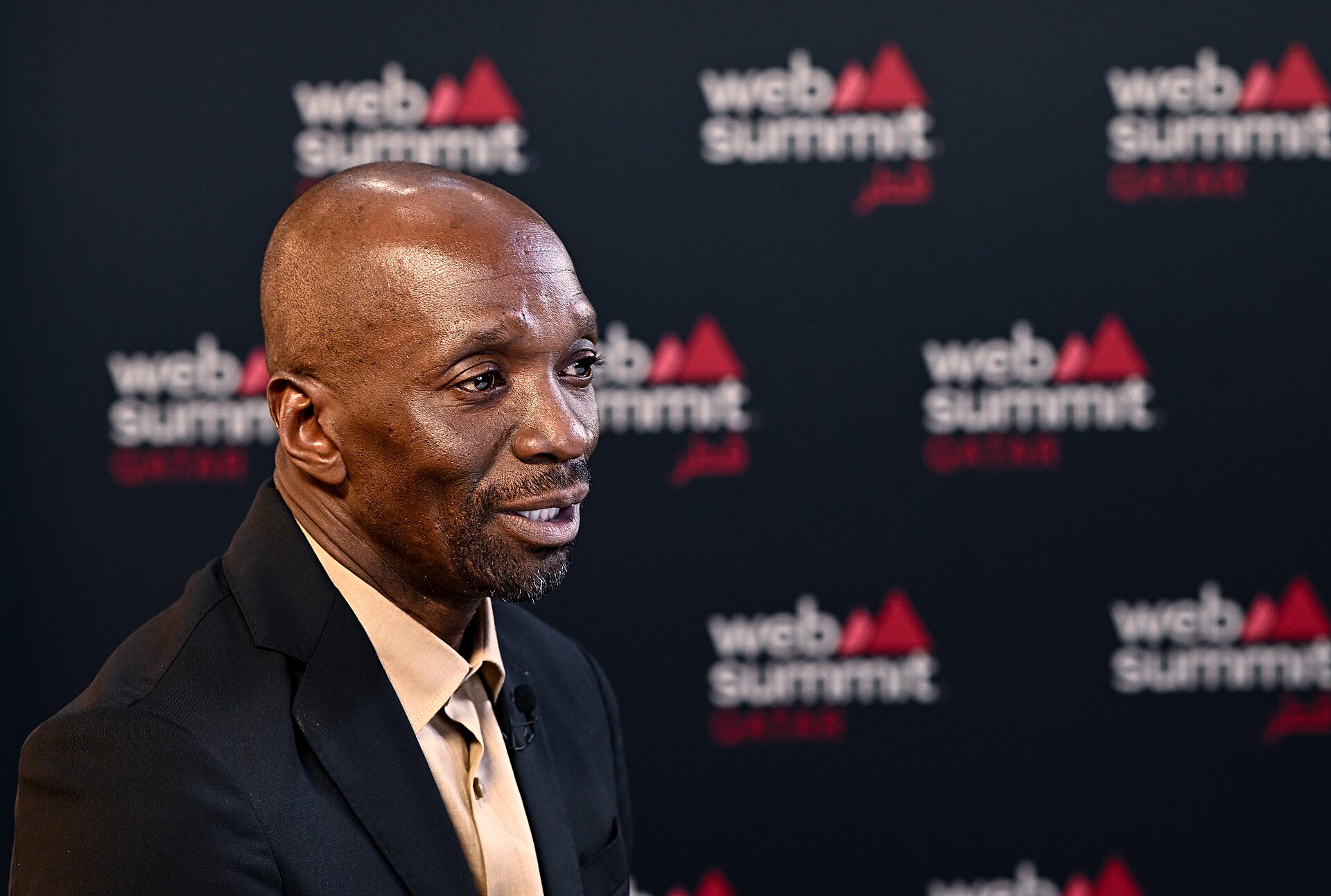
Few players have their names turned into tactical vocabulary. Claude Makélélé is one of them. The Makélélé role came to describe a defensive midfielder positioned directly in front of the back four, whose main tasks were to protect that space, win the ball and give it simply to team-mates.
The role predates him, of course. Defensive midfielders have existed for as long as teams have sought balance. But Makélélé performed the job so consistently and so unobtrusively, at clubs as prominent as Real Madrid and Chelsea, that his name became attached to it.
What the role involved
The screening midfielder's job is defined as much by what he does not do as by what he does. Makélélé rarely ventured far forward and did not seek to be the team's creative hub. His value lay in a set of defensive and positional functions:
- Screening: occupying the space between defence and midfield, where opponents look to receive the ball.
- Intercepting: reading passes into that zone and stepping in before the receiver could turn.
- Covering: filling gaps when full-backs or centre-backs were drawn out of position.
- Recycling: after winning the ball, passing simply to a more creative team-mate.
That last point is often misunderstood. The simplicity of his distribution was a feature, not a flaw. By moving the ball quickly to players better equipped to attack, he limited the risk of losing it in a dangerous area.
Real Madrid and the question of balance
Makélélé played for Real Madrid in the early 2000s, when the club assembled a squad full of celebrated attacking players. His role was to provide the defensive work that allowed those players to express themselves.
He left for Chelsea in 2003. It is widely argued that Real Madrid's balance suffered in the years that followed, and the case is often used to show how an unglamorous role can be structurally essential. Such arguments involve many variables, from squad composition to coaching changes, and should not be reduced to a single transfer. But the episode helped establish the idea that a team built around attacking stars needs someone whose job is to protect them.
The Makélélé role is a reminder that some players make a team work by removing problems rather than creating chances.
Chelsea and the 4-3-3
At Chelsea, Makélélé became a central part of José Mourinho's side, which won consecutive Premier League titles in 2004-05 and 2005-06. Mourinho's 4-3-3 placed him at the base of midfield, with more mobile, box-to-box players ahead of him.
The structure created a specific problem for opponents in England, where 4-4-2 was still common. A team with two central midfielders facing a Chelsea side with three, including a dedicated screener, often found itself outnumbered in the centre. Makélélé's presence in the space between the lines also made it harder for opposing forwards to drop off and receive.
Screener, regista and pivot
It helps to compare the Makélélé role with other ways of occupying the same area of the pitch:
- The regista, exemplified by Andrea Pirlo, uses that position to create, relying on others to do more of the defending.
- The positional pivot, associated with Sergio Busquets, combines defensive positioning with a central part in build-up and press resistance.
- The screener, the Makélélé model, prioritises protection and simplicity above all.
Each suits a different team. A side that expects to dominate possession needs its deepest midfielder to be a confident passer under pressure. A side that expects to spend long spells defending, or that relies on attacking players with limited defensive instincts, may value a screener most.
The role in modern football
As pressing and possession have become more central to top-level football, the pure screener has become rarer. Many teams now ask their holding midfielder to contribute more in build-up. Yet the core ideas remain: protecting the space in front of the defence, and giving the ball quickly to better attackers, are still vital. The job is now often shared across two players or folded into a wider rest-defence structure rather than assigned to one specialist.
Makélélé's legacy is that the job has a name. For a role defined by selflessness, that is a fitting form of recognition.