
The False Nine: A Centre-Forward Defined by Absence
Why a striker who leaves the penalty area can create more danger than one who stays in it, and what it asks of everyone else.
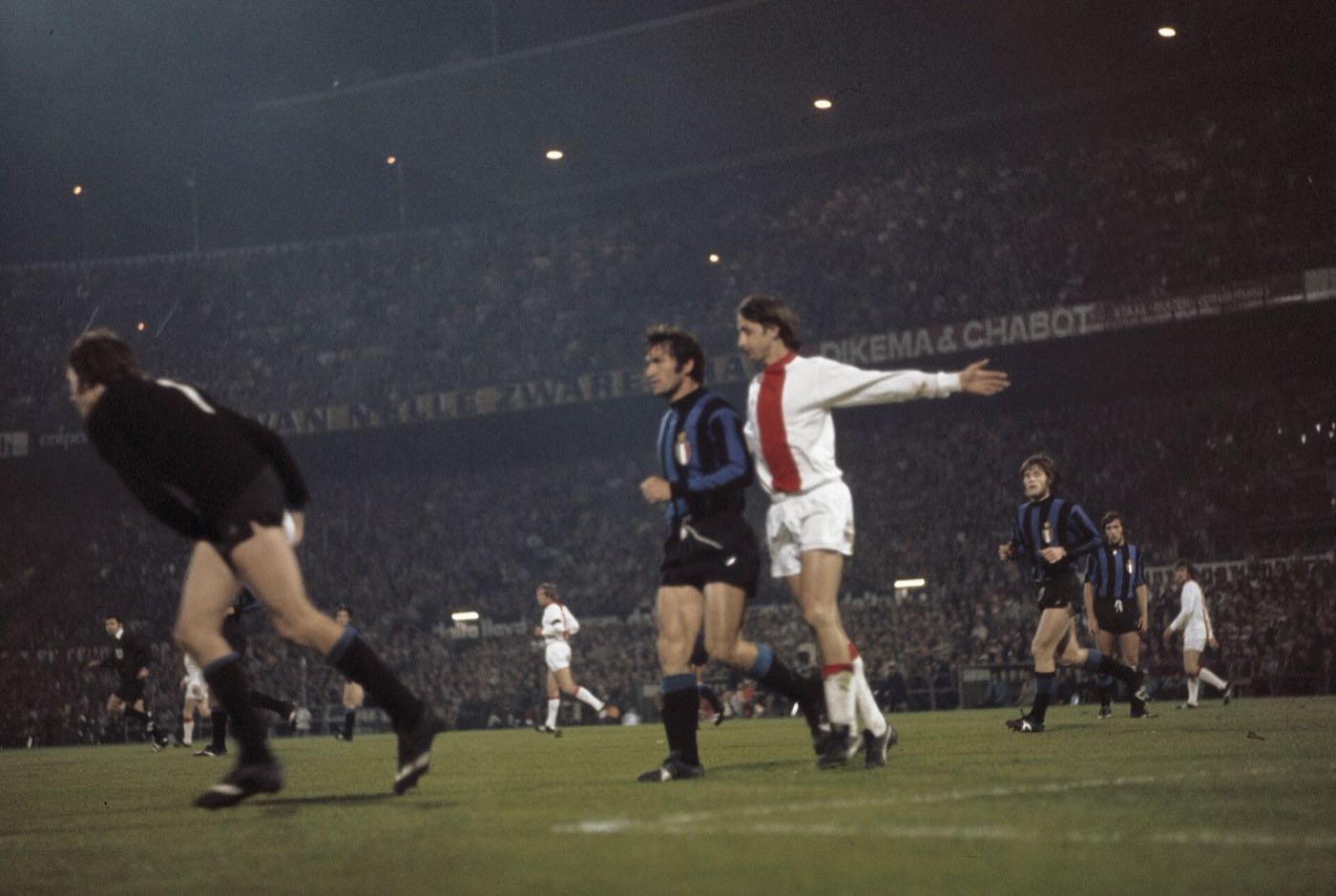
A traditional centre-forward gives defenders a clear job: stay close to him. The false nine takes that job away. By dropping from the forward line into midfield, the player drags a question into the opposition's back line that has no comfortable answer.
The dilemma for centre-backs
If a centre-back follows the false nine into midfield, he leaves a gap behind him that runners can attack. If he holds his position, the false nine receives the ball unmarked between the lines, turns and plays forward. Neither choice is wrong in every situation, which is precisely the problem: defenders must decide quickly, together, and repeatedly.
The false nine does not beat defenders by out-running them. He beats them by making their positions uncomfortable.
What the role asks of teammates
A false nine only works if others fill the space he vacates. Typically that means:
- wide forwards who attack the channels and the space in behind the centre-backs;
- midfielders who arrive late into the box instead of waiting for crosses;
- a side comfortable circulating the ball patiently until the right run appears.
Without those runs, the false nine simply becomes an extra midfielder and the team loses its presence in the box.
Strengths and costs
The role tends to help teams that dominate the ball and want an extra passing option centrally. It is less natural for sides that rely on direct play and crosses, where a physical target in the box matters more. It also changes pressing: a false nine often starts the press from a deeper position, which affects how the front line protects against long balls.
For the broader system many false nines have operated in, see Xavi, Busquets and the logic of positional play.