Catenaccio: how Italy's sweeper system turned defence into control
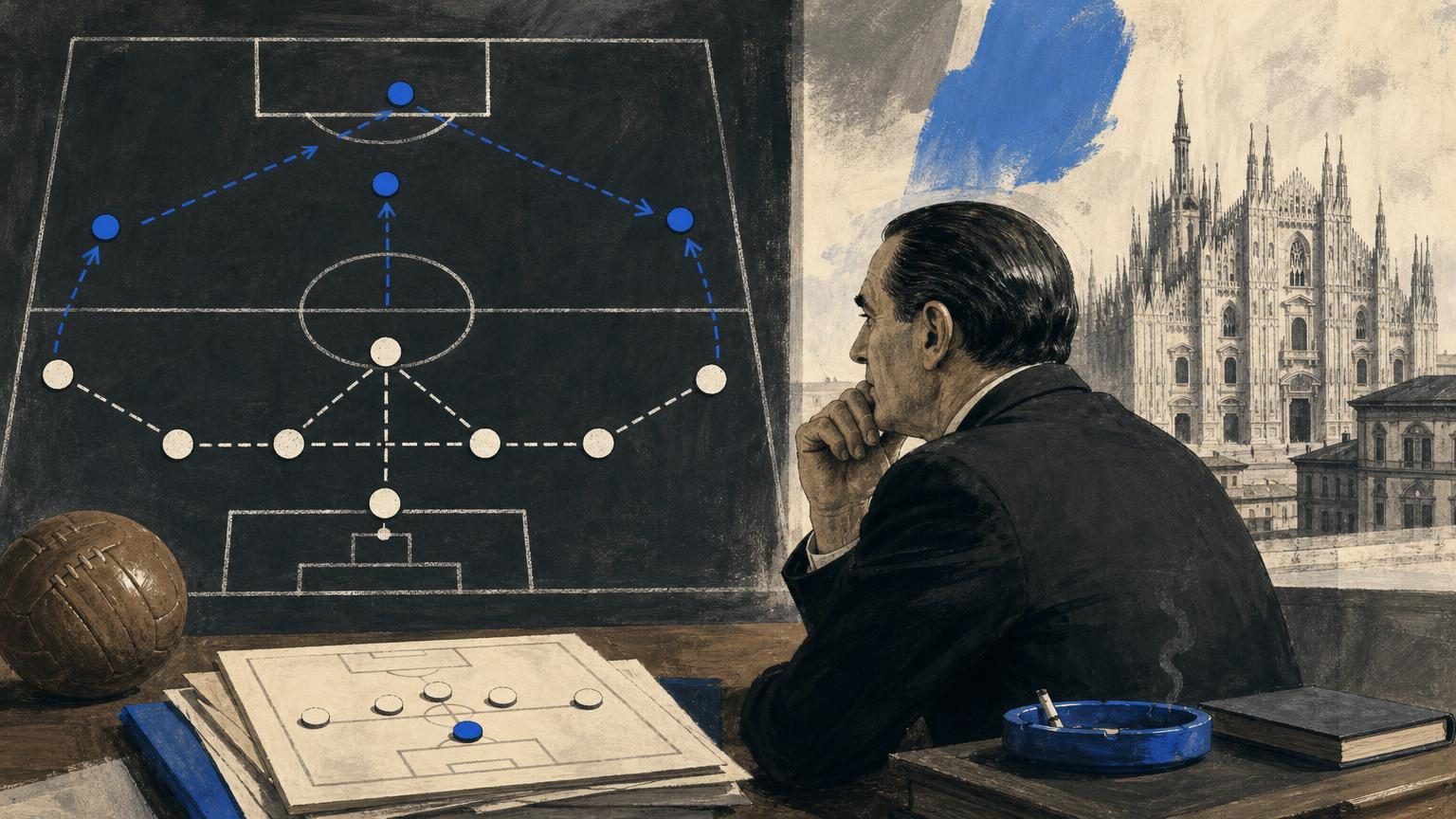
A look at how the libero, man-marking and the counter-attack combined to make catenaccio the defining Italian tactical system of the 1960s.
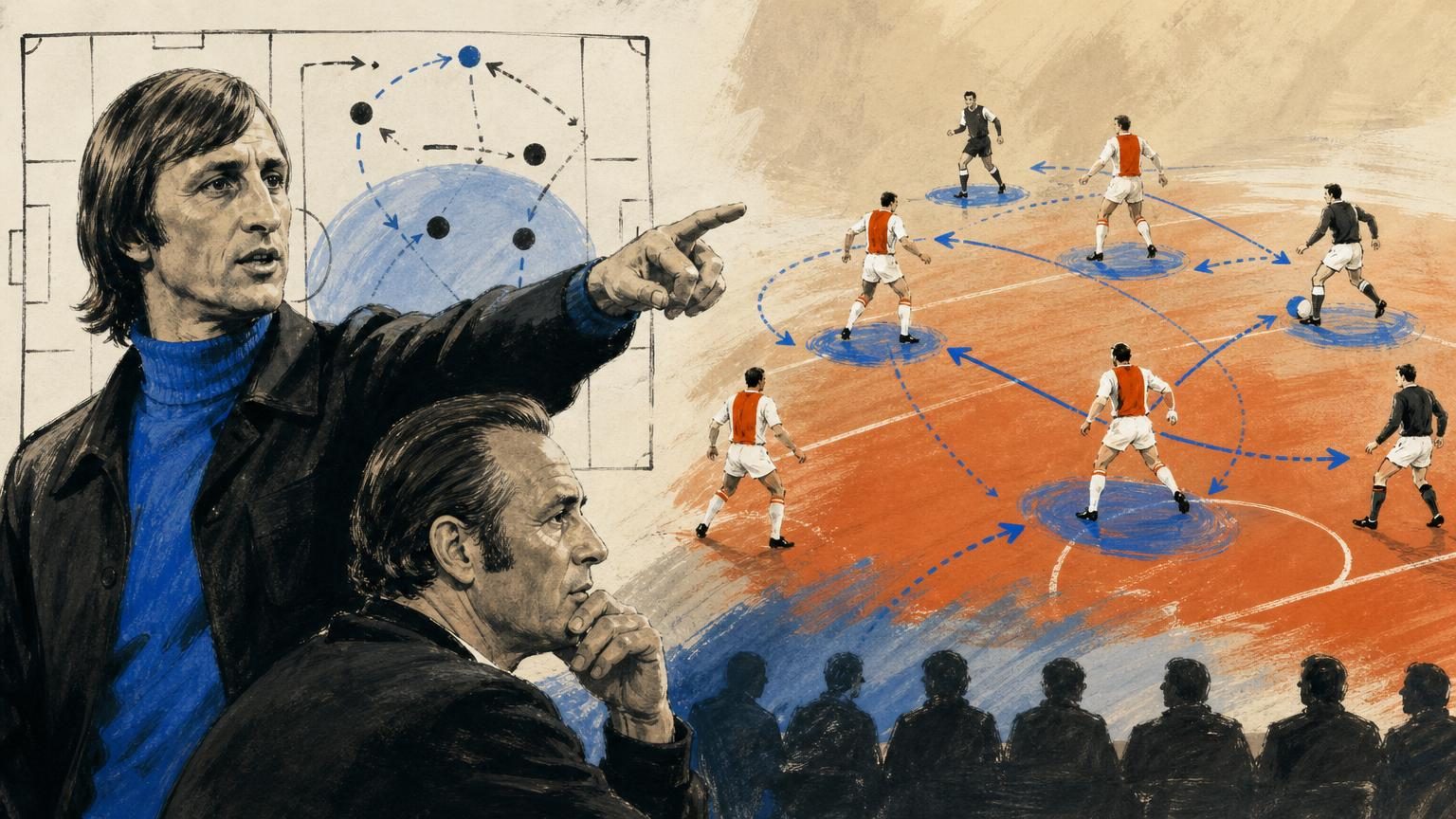
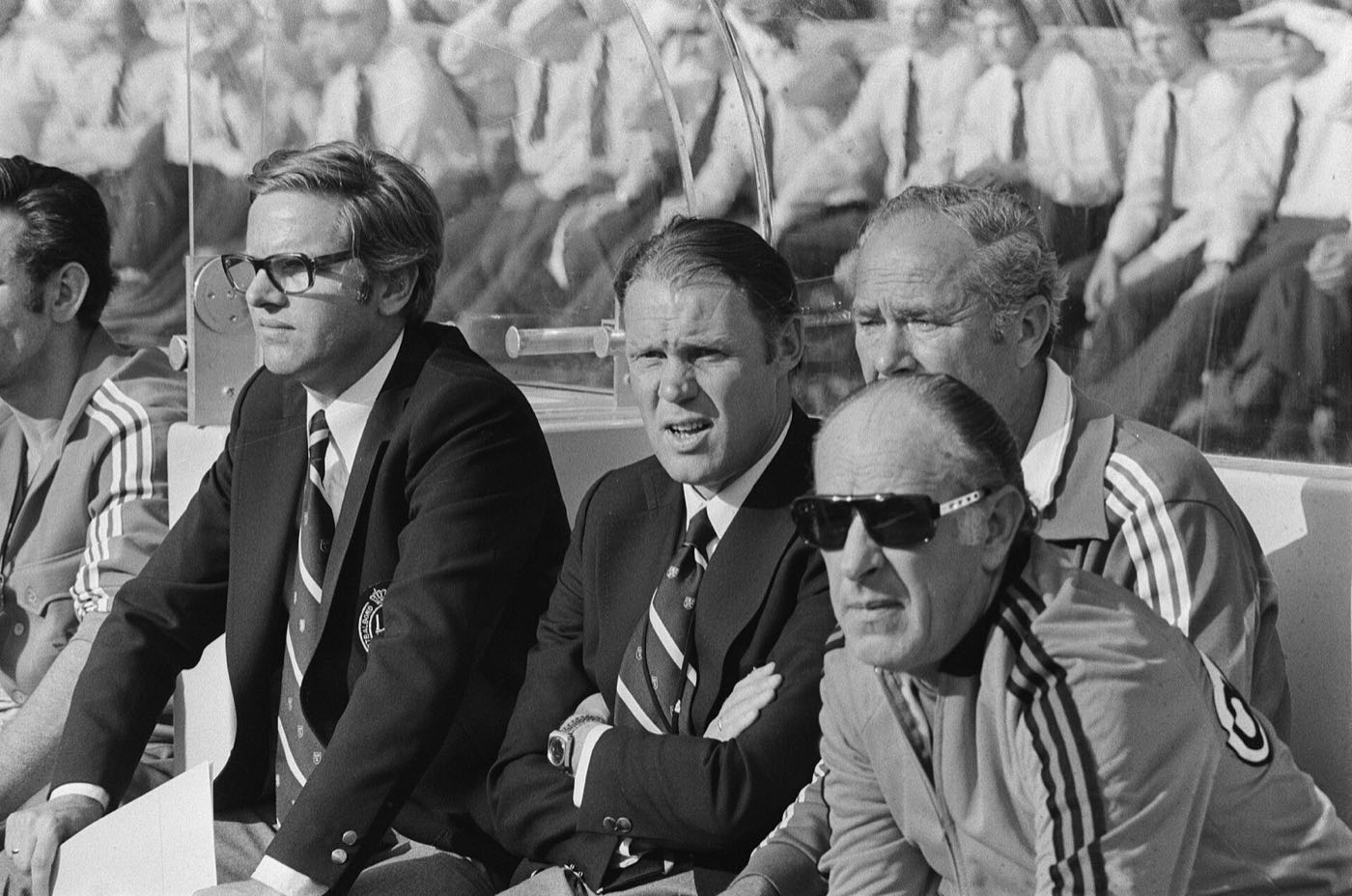
Dutch coach credited as the architect of Total Football at Ajax and with the Netherlands.
A look at how the libero, man-marking and the counter-attack combined to make catenaccio the defining Italian tactical system of the 1960s.
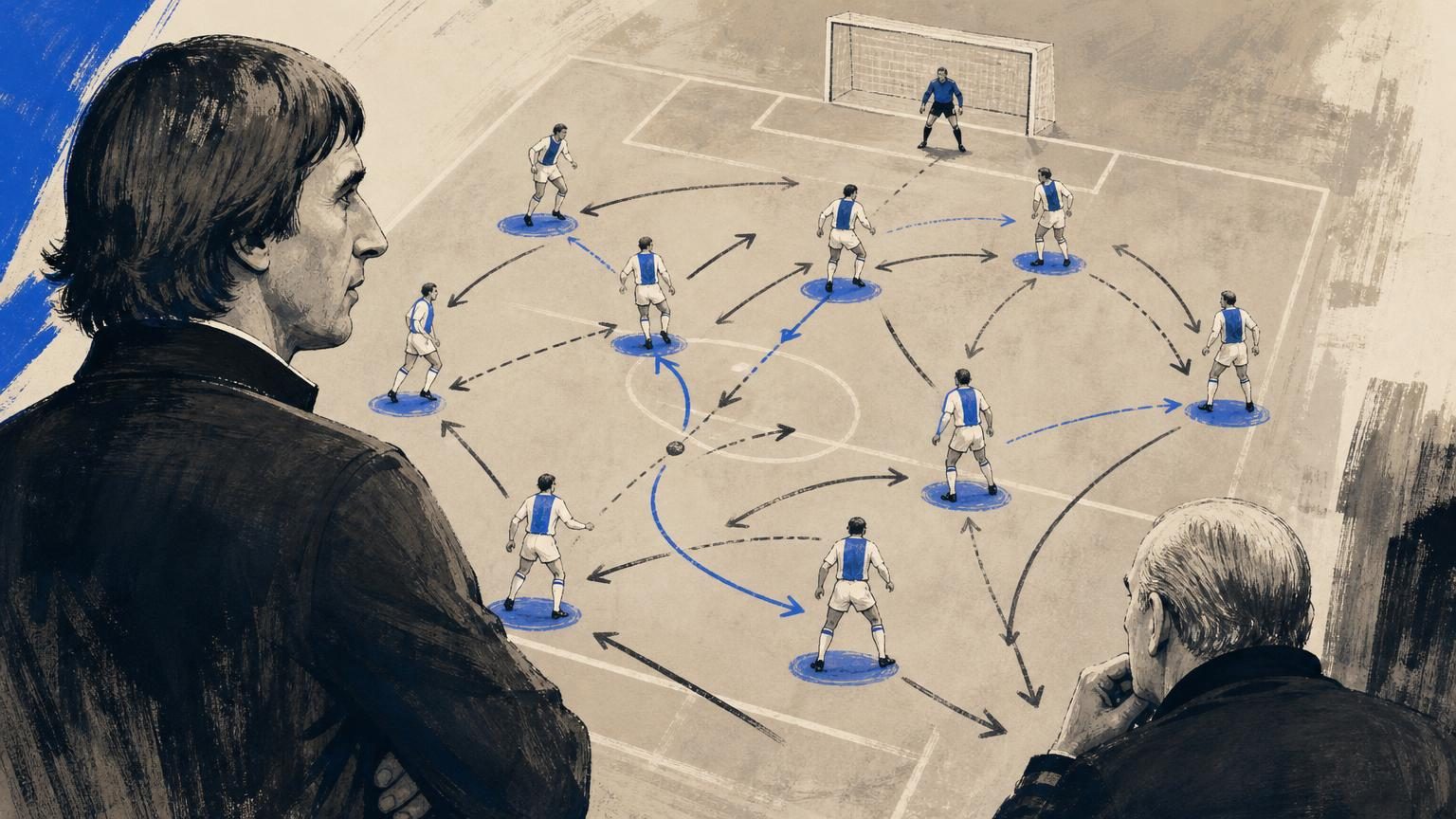
Cruyff's teams built their control of matches on a single idea: manipulate space, not just the ball, and let players rotate freely through it.
Total Football asked every outfield player to fill any role on the pitch, provided a teammate immediately filled the gap he left behind.
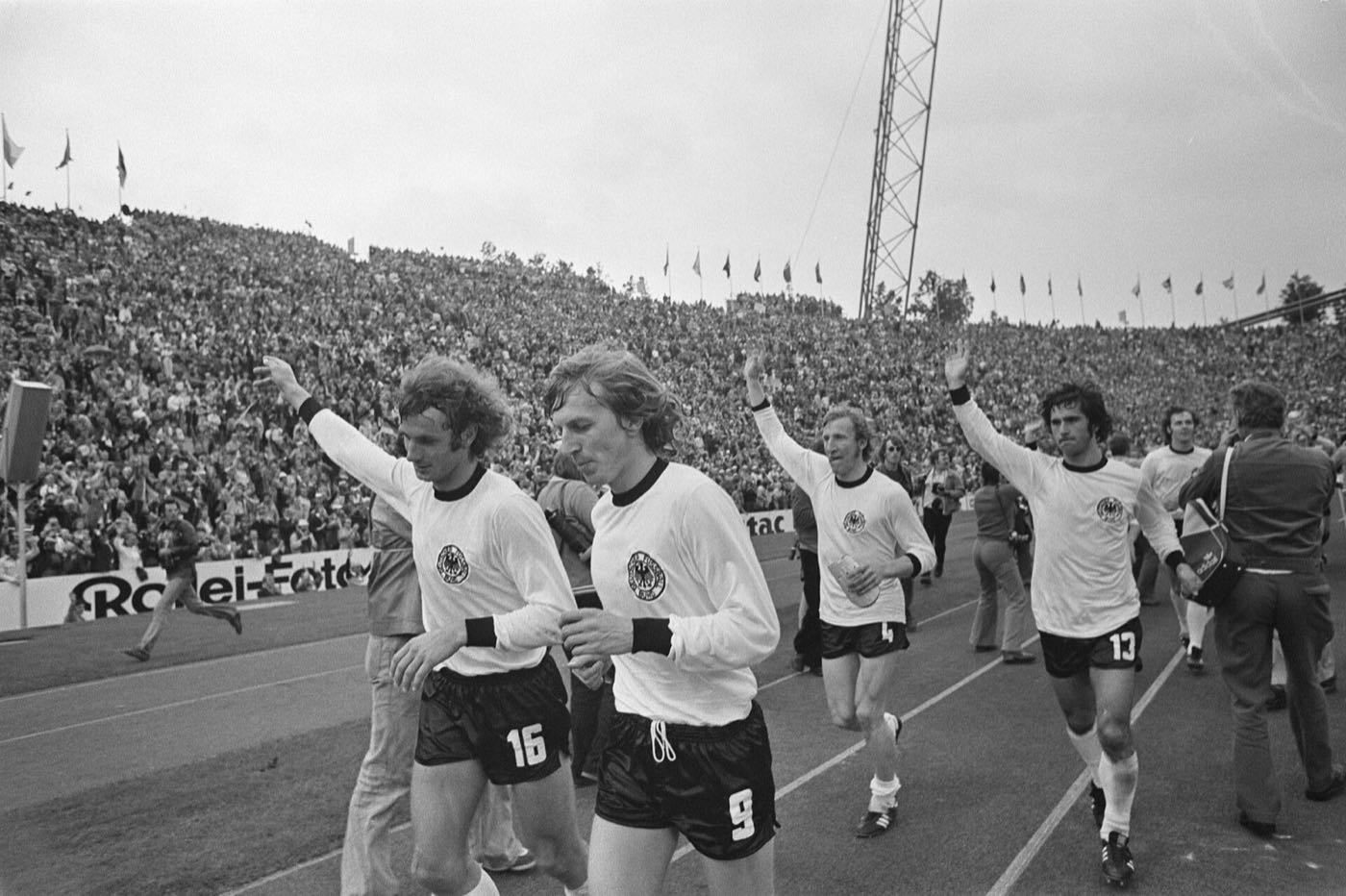
The Dutch led before West Germany had touched the ball, yet lost. The 1974 final turned on marking, control and what the Netherlands did with their lead.
Total Football is remembered as romance. Under Rinus Michels it rested on discipline, collective pressing and a ruthless approach to space.
A thread of ideas runs from Ajax in the 1960s through Cruyff's Barcelona to Guardiola's teams. Tracing it shows how football philosophies are passed on and changed.