What Expected Goals Measures, and Where It Misleads
Expected goals is now part of everyday football conversation. Understanding how the metric is built makes it far more useful and far less misunderstood.
The house byline for Portal Football articles that are not credited to an individual writer.
Expected goals is now part of everyday football conversation. Understanding how the metric is built makes it far more useful and far less misunderstood.
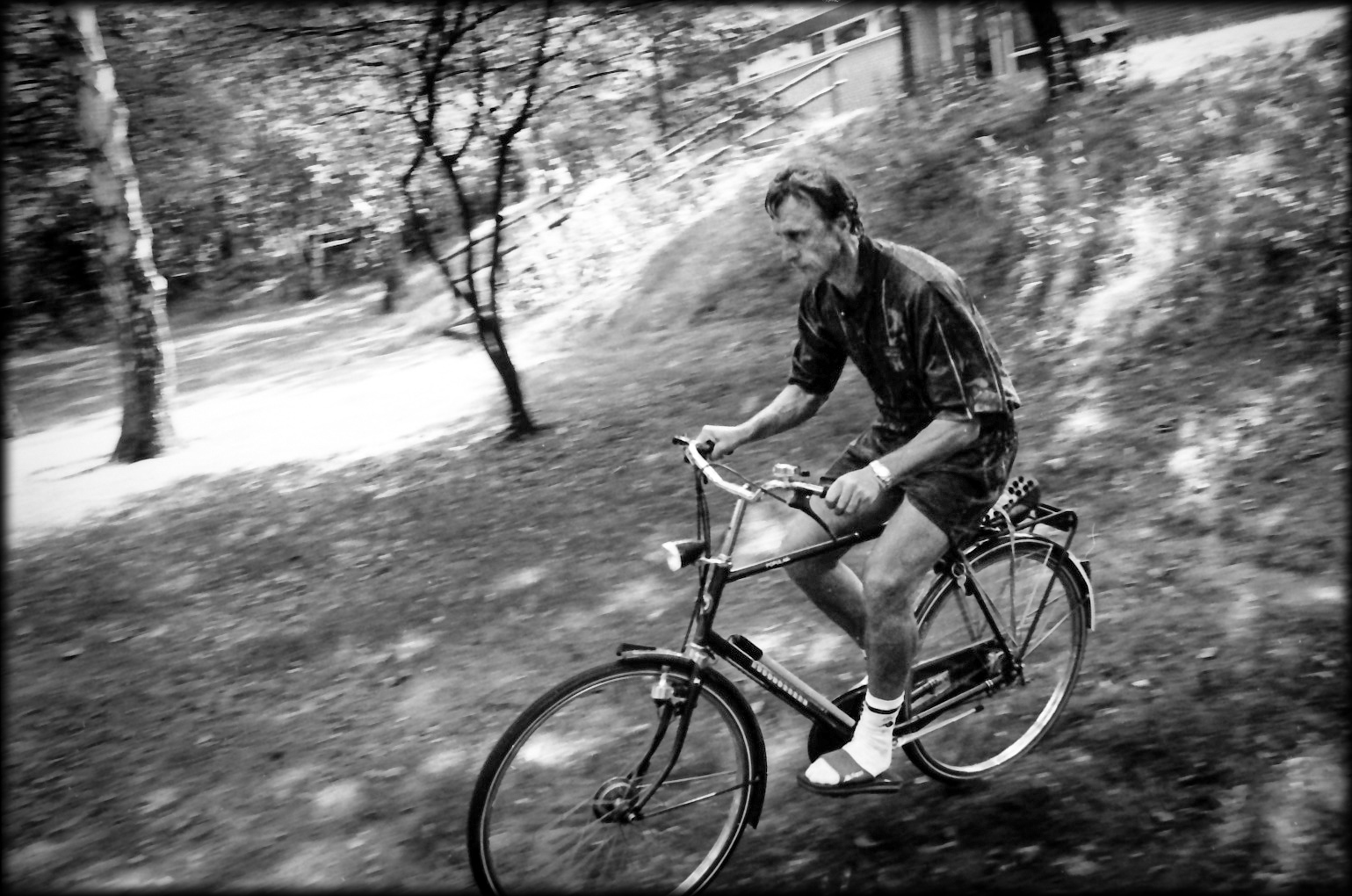
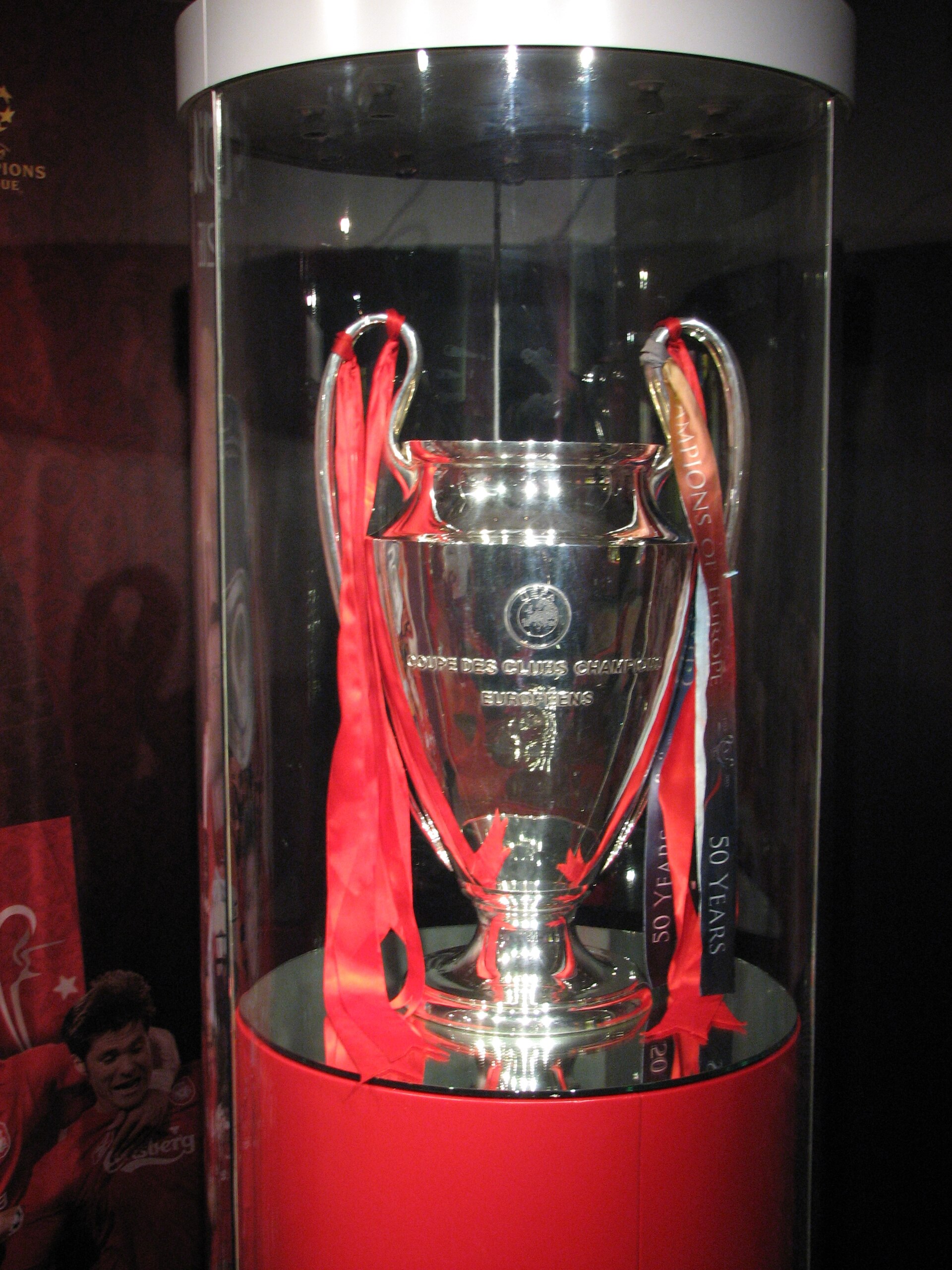
As Barcelona coach from 1988, Johan Cruyff gave the club a playing model, its first European Cup and a way of thinking that shaped the next generation.
Three down at half-time, Liverpool changed shape and changed the game. The 2005 final is remembered for emotion, but a structural adjustment made it possible.
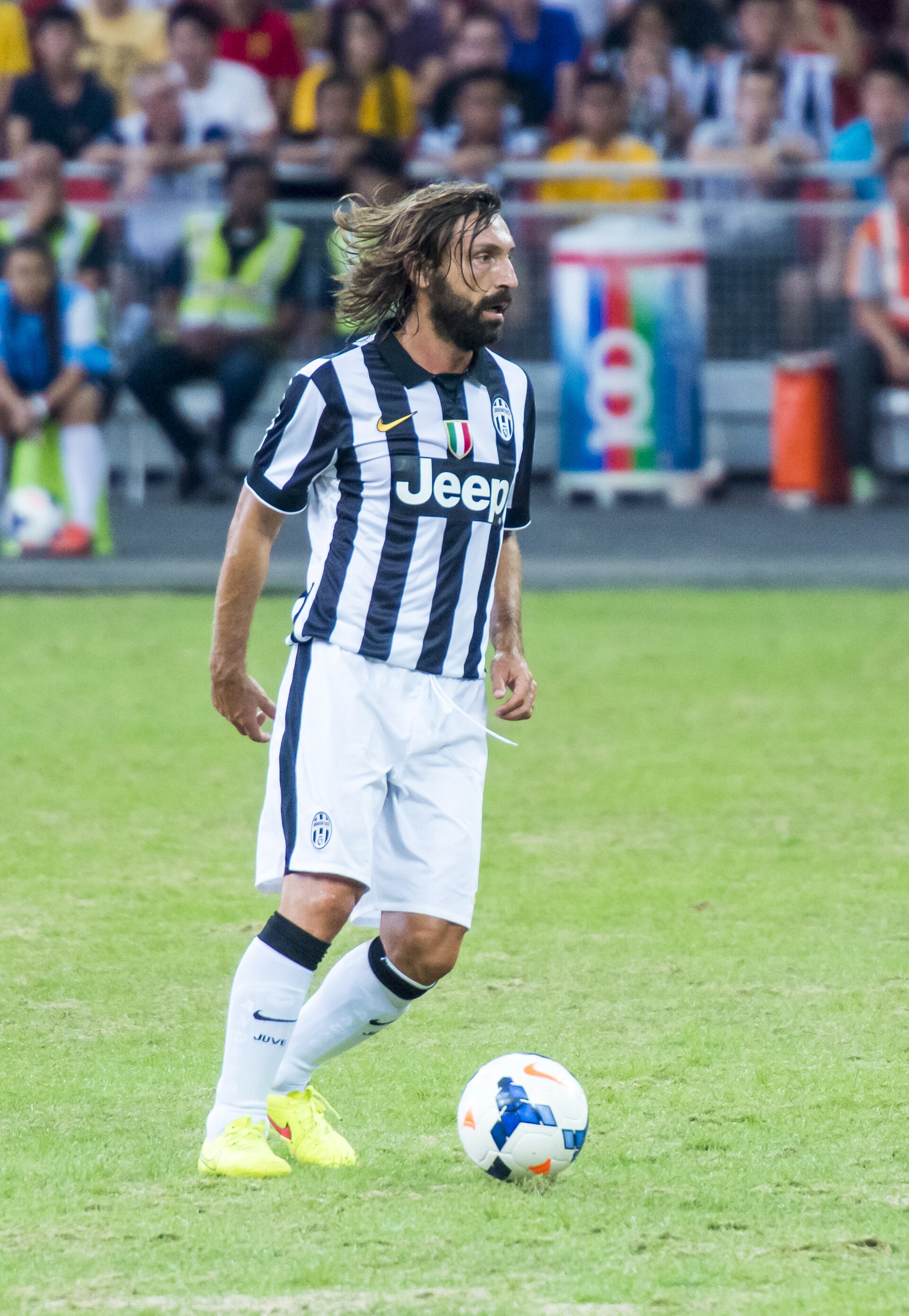
Pirlo turned the space in front of the defence into a creative hub. His career shows how a playmaker can shape a game from deep rather than between the lines.
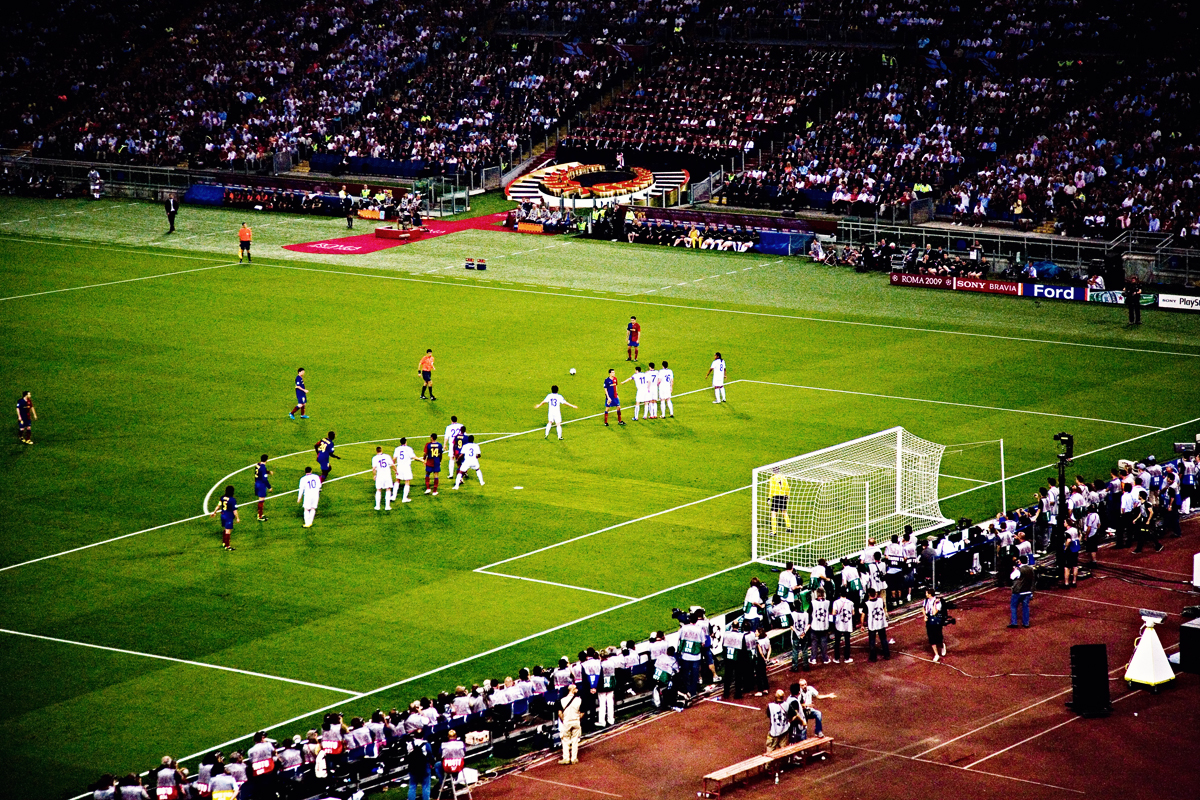
Guardiola's first season ended with a 2-0 win over Manchester United in Rome. Busquets, Xavi and Iniesta turned a tense opening into a game on Barcelona's terms.
Claude Makélélé was so associated with protecting the back four that his name became shorthand for the job. What did the role involve, and why did it matter?
How a team is arranged when it has the ball decides how well it defends when it loses it. The inverted full-back became one of the best-known answers.
Passes allowed per defensive action became a popular shorthand for pressing intensity. It is a useful number, but only if you know what it leaves out.
Three-man defences have come and gone in waves, from the WM to sweeper systems and the wing-back sides of the 2010s. Each wave solved a different problem.
Possession percentages are among the most familiar statistics in football coverage and among the most misread. How they are calculated, and what they conceal, both matter.
Catenaccio is often caricatured as pure negativity. Its history is more interesting: a precise set of ideas about marking, cover and counter-attack.
A thread of ideas runs from Ajax in the 1960s through Cruyff's Barcelona to Guardiola's teams. Tracing it shows how football philosophies are passed on and changed.